
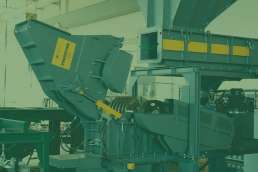
Starting with Panizzolo: new solutions for metal processing
Starting with Panizzolo: new solutions for metal processing
Three new series expand the Panizzolo range with more essential, accessible solutions designed for industrial use.
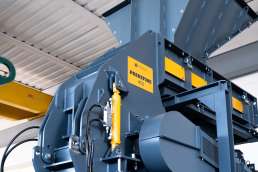
In metal recycling, not every company starts from the same point. Materials, processing volumes, production goals and investment capacity all vary. This means that starting or expanding a processing operation does not necessarily require a complex plant from day one. This understanding led us to develop a new generation of Panizzolo machines: more essential and accessible solutions, designed to provide technology that is proportionate to actual processing needs.
A range of agile, essential and easy-to-integrate machines that make metal recovery more accessible.
A more essential approach, fully industrial
The new Compakt, PreRefine and Industry series share a clear principle: compact design, fast installation, easy integration and a more accessible investment make it possible to focus the technology on what the process actually needs. This design choice does not change the industrial nature of the machines. Panizzolo know-how and manufacturing standards remain at the core of the range, with the same focus on reliability and operational continuity.
This new approach is also reflected in the machines’ visual identity. For Compakt, PreRefine and Industry, we selected a dedicated colour that sets them apart from the traditional Panizzolo range, making the new series immediately recognisable and giving them a distinctive identity within our offering.
Simplicity is the real innovation
Designing a more essential machine may seem simpler. In reality, reducing complexity means looking even more carefully at every element, distinguishing what is essential from what can be simplified without compromising the final result.
As Mauro Panizzolo, Chief Executive Officer, explains, this challenge required a clear project vision and constant dialogue between the different areas of expertise involved.
“From the beginning, we were clear about the kind of response we wanted to bring to the market: more essential machines, with a more accessible investment, without giving up the aspects that are fundamental to us. This direction led to very concrete, coordinated work across the different departments. Every choice was analysed and shared to find the right balance between simplicity, performance and investment. This approach guided every stage of development, from design and industrialisation through to operation, maintenance and integration into our customers’ processes.”
The result is not a scaled-down version of our traditional ranges, but a new generation of machines developed around different needs. More immediate and focused solutions, where essential design is not a compromise but a deliberate engineering choice.
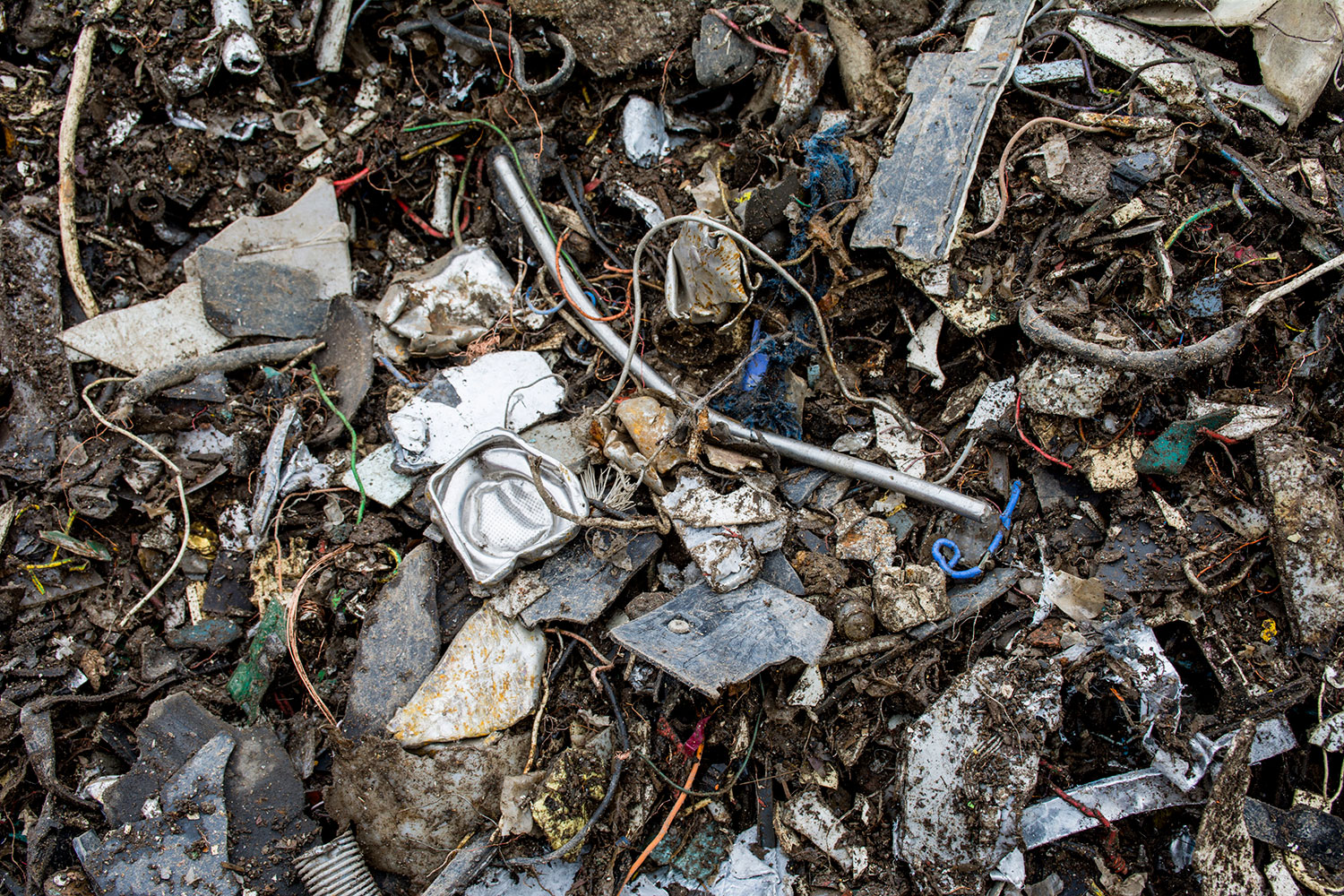
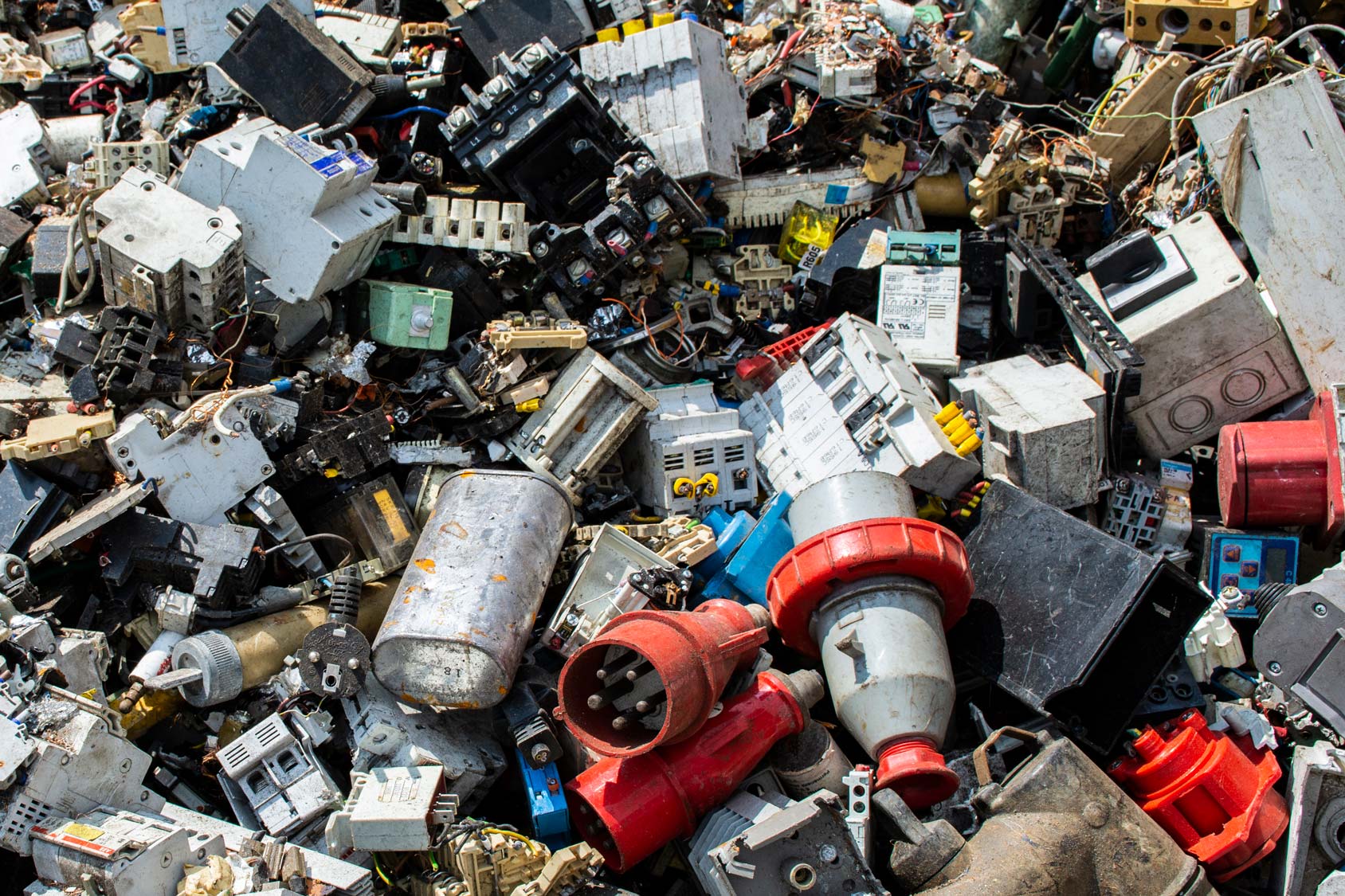
Who are the new series designed for?
Compakt, PreRefine and Industry were developed to address different processing needs. The new series can be a solution for:
- starting a first processing operation with a lower initial investment;
- bringing a specific process in-house and increasing the opportunities to recover value from materials;
- adding a new processing stage to an existing plant;
- expanding the range of scrap materials processed by introducing new processing capabilities.
What materials can they process?
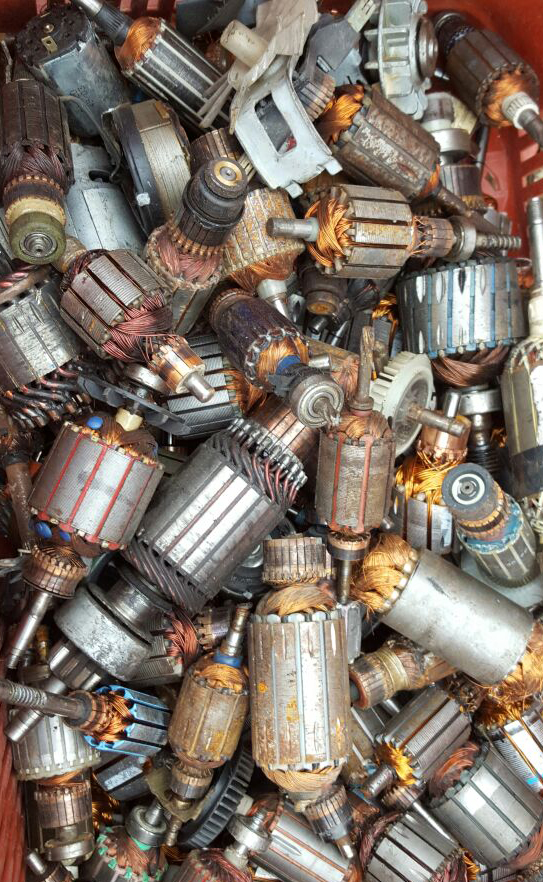
Depending on the series, model and configuration, the new technologies can process a wide range of scrap materials, including:
- electric motors and transformers;
- WEEE components and materials;
- WEEE fluff;
- radiators;
- aluminium housings and scrap;
- mixed ferrous and non-ferrous metals;
- medium- and small-sized metal scrap.
From small volumes to continuous industrial processing, the three series make it possible to select technology that matches the material, volumes and processing goals, while keeping the solution proportionate to the actual needs of the process.
Compakt: start recovering value even from small volumes
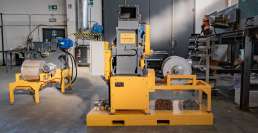
The Compakt series is designed to make metal recovery accessible even to companies processing smaller volumes of scrap. Compact and based on a plug-and-play concept, it can be installed quickly and easily integrated into different operating environments, either as a company’s first processing system or as a dedicated unit within a more structured process.
The Compakt 240 hammer mill, with 7.5 kW installed power and a processing capacity of up to 150 kg/h, is designed to process different types of scrap, including small electric motors, transformers, radiators, WEEE components and mixed metals. The available configurations also allow the machine to be adapted to the material and processing requirements. The series is also built around a clear economic principle: making recovery viable even on a small scale, through an accessible investment designed for a fast return.
PreRefine: grinding and material preparation focused on quality
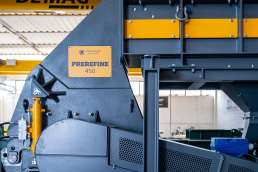
With the PreRefine series, the focus shifts to processing medium- and small-sized scrap and to the output quality. More specifically, the PreRefine 450 is a hammer mill developed to prepare material for subsequent recovery stages, including materials containing inert and abrasive components. Compact and robust, it is engineered and industrialised to ensure reliability and operational continuity during working cycles and, with 55 kW of power, can achieve a throughput of up to 6 t/h.
The PreRefine mill can operate either as a dedicated grinding solution or as part of more complex processes, integrating naturally with Panizzolo refining plants. It can process a wide range of materials, including mixed ferrous and non-ferrous metals, WEEE-derived materials, aluminium housings, electric motors and transformers, and WEEE fluff.
Industry: the technology you need, where you need it
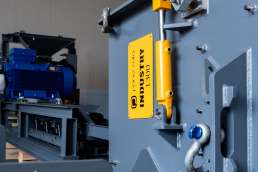
The Industry series is designed for the specialised processing of specific scrap types and for applications where the material and operating objective are clearly defined. Its monobloc design combines robustness and performance in a compact structure engineered for reliability and operational continuity. In particular, the Industry 1300 hammer mill, with 315 kW of power, can achieve a throughput of up to 12 t/h.
Available with three distinct settings, the series allows processing to be optimised according to the required result. It can be used for mixed and light iron scrap, electric motors up to 15–20 kg and mixed metals, as well as for preparing WEEE fluff and WEEE for subsequent granulation stages. A focused solution that concentrates the technology on the specific process to be carried out and the result to be achieved.
An evolving range
Compakt, PreRefine and Industry share the same design direction: offering a more essential and accessible way to approach Panizzolo technology, while retaining the same know-how and manufacturing standards at their core.
Presented at the latest edition of IFAT Munich, the new series have already received positive feedback from international markets, particularly in Europe and Latin America. Just a few months after launch, this interest is an encouraging first sign for a project that is already looking ahead to its next steps.
As Mauro Panizzolo explains, work on the new range has already entered a new phase:
“We have several developments under way. New models will expand the existing series, while at the same time we are working on additional ranges and accessories that will progressively extend their application possibilities. We want to continue along this path by starting from real applications and the needs we encounter every day through our dialogue with the market.”
The result is a dynamic, evolving offering that will continue to enrich the Panizzolo range and broaden the possibilities for companies looking to start or develop a metal recovery operation.
Your project can start here. Contact us to identify the Panizzolo solution best suited to your business.

Metal recovery goes Compakt
Metal recovery goes Compakt
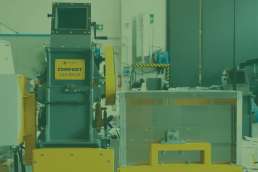
A compact, professional range of hammer mills designed to make it easy to start recovering value from small volumes of scrap, with operational simplicity, flexibility and measurable returns.
For many companies, recovering value from their own metal scrap is a tangible opportunity, but not always an easy one to pursue. Available space, initial investment, day-to-day operation, processing volumes and technical expertise are often the real barriers between the potential value of scrap and its effective recovery.
The Compakt series was developed to bridge this gap. This range of hammer mills makes metal recovery more accessible, enabling companies to start upgrading their materials more quickly and with a manageable operational setup.
Compact in size yet industrial in its approach, the Compakt mill is the ideal solution for companies taking their first steps into metal recycling, processing small volumes or handling specific localised applications. It is engineered with the same focus on robustness, operational continuity and output quality that drives the development of every Panizzolo solution.
The hammer mill series for companies looking for a practical approach to scrap processing. Fast installation, independent operation and maximum functionality, backed by Panizzolo know-how.
A ready-to-use solution for recovering value
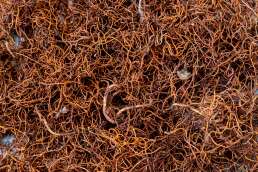
The Compakt series was developed to help companies turn small scrap streams into more manageable, higher-value fractions through a simple, orderly process sized to actual processing volumes. The mill handles light and mixed metal scrap, including small WEEE electric motors, compact electrical transformers and aluminium/copper radiators. It reduces material volume, liberates metal fractions from plastic or composite components and prepares the output for subsequent separation and recovery stages.
Measurable economic potential
One of the key advantages of the Compakt series is its ability to deliver returns within a short timeframe by recovering the value of metal fractions in-house. Even with small volumes, materials containing valuable metals such as copper and iron can generate significant returns when processed consistently. This provides a tangible indication of the machine’s potential: under specific operating conditions, a Compakt mill can realistically achieve payback in around one month.
For companies looking to start processing their own materials in-house, Compakt is a strategic solution. The initial investment is more accessible than for complex processing plants, while the recoverable value supports a fast, tangible and measurable path to payback.
Compact, robust construction
Another key strength is the balance between a small footprint and structural strength. The series brings Panizzolo’s engineering philosophy into a more compact format without compromising robustness, stability or reliability. The machine combines a heavy-gauge steel frame and fabricated structure with compact dimensions, making it suitable even for restricted operating areas. This makes integration into existing production environments easier, especially where available space is one of the main barriers to introducing in-house processing.
Flexible configurations for different requirements
Compakt was developed around an essential, functional design philosophy. The machine avoids unnecessary electronics and automation, focusing instead on standardised quality components and an intuitive configuration. For companies, the benefit is clear: technology that is easier to understand, straightforward to integrate into the production flow and simple to operate.
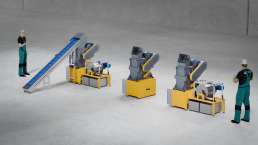
Built around a common machine body, the Compakt mill is available in three configurations, allowing each company to select the solution best suited to its production environment.
- Compakt 240 Box is the most essential version, with manual feeding through a rotary inlet and discharge into a removable collection drawer. It is ideal for companies looking for a compact, straightforward solution for their first step into in-house processing.
- Compakt 240 Drum adds a more structured discharge system with a vibrating table and magnetic separator. This configuration improves the flow of outgoing material while integrating an initial magnetic separation stage.
- Compakt 240 Autobelt completes the range with conveyor-belt feeding, a vibrating table and magnetic separator. It is the best option for companies looking for more continuous feeding and a more organised operating process.
A stable process, day after day
The Compakt series is designed for consistent, controlled operation, delivering reliable performance even with heterogeneous input materials. In production environments handling small volumes or specific applications, operational continuity is essential: the goal is not simply to process material, but to do so through a regular, repeatable process. For this reason, the mill incorporates solutions designed to maintain efficiency over time, with wear parts engineered for daily operation and straightforward routine management.
More autonomy, less operational complexity
The Compakt mill is a ready-to-use solution designed for straightforward installation. Its plug-and-play concept reduces start-up complexity and speeds up integration into the production environment. Maintenance is equally straightforward, with quick access points and intuitive checks. This allows companies to process their own materials consistently in-house without relying on highly specialised technical personnel
Optimised logistics
The straightforward design of the Compakt series also simplifies logistics. Its compact format makes transport, handling and installation easier: the mill can be shipped on a pallet, moved with standard forklifts and installed without complex work or dedicated technical intervention. This enables faster commissioning while reducing lead times, organisational complexity and preliminary activities. It is a tangible operational advantage, especially for companies looking to start processing quickly without adding unnecessary complexity to their production structure.
Start with Panizzolo
Compakt is part of a range of machines designed to make metal recovery more accessible and easier to integrate into production processes, alongside other solutions such as the Industry series. It represents a different way of applying Panizzolo know-how: not only through complete plants, but also through more targeted, appropriately sized technologies that can be put into operation quickly. For us, innovation also means bringing the experience gained in complete recycling plants into solutions that are closer to companies’ day-to-day needs, helping them turn scrap into value with greater simplicity, control and tangible results.
Start recovering more value from your scrap. Contact us to find the Compakt configuration that best suits your operation.
EGA and Panizzolo: a large-scale aluminium recycling project
EGA and Panizzolo: a large-scale aluminium recycling project
A complete aluminium scrap processing line designed to support an annual processing capacity of up to 185,000 tonnes at the UAE's largest aluminium recycling facility.
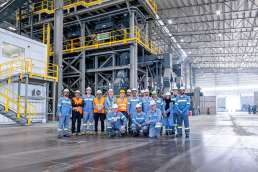
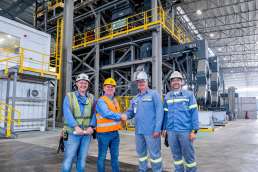
Some projects show, in a very tangible way, where an entire industry is heading. The one developed for Emirates Global Aluminium (EGA), one of the world’s largest aluminium producers, is one of them: a complete line for the UAE’s largest aluminium recycling plant, designed to process complex aluminium scrap and prepare it for the melting cycle through a controlled, efficient and fully integrated process.
The relevance of this project goes beyond the plant itself. When an industrial player of this scale invests in recycling, it sends a clear signal: secondary aluminium is becoming an increasingly strategic part of the production model, helping the industry move towards more sustainable, efficient and competitive ways of working.
For EGA, recycling is now one of the company’s key growth drivers. The Al Taweelah plant is part of a broader strategy to develop a global secondary aluminium platform, with investments and acquisitions across the United Arab Emirates, Europe and the United States. As stated by Her Excellency Dr Amna bint Abdullah Al Dahak, UAE Minister of Climate Change and Environment:
“Recycling is the cornerstone of the UAE Circular Economy Policy, which aims to transform the nation into a global hub for green development. This means moving from linear production and consumption models to circular ones, improving resource efficiency and minimising waste. Aluminium represents one of the greatest opportunities to drive this transition.”
It is within this context that the design challenge behind the plant took shape: handling highly variable materials, ensuring production continuity and delivering an output consistent with the requirements of large-scale industrial production. In the video below, Mauro Panizzolo, Chief Executive Officer, and Fеdеricо Giraldo, Project Manager, take us inside the project, discussing its objectives, challenges and the solutions developed.
A plant designed to handle complexity and variability
For EGA, a company historically focused on primary aluminium production, integrating secondary aluminium is not simply about adding a new business activity. It means broadening its industrial model and extending the value of aluminium across its entire life cycle.
The project also has strategic importance for the region. Until now, much of the aluminium scrap generated in the United Arab Emirates was exported abroad for processing. The new facility makes it possible to keep this stage of the value chain within the country, turning material once destined for export into a local resource.
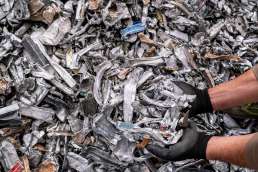
The input material, mainly sourced from the Middle East, is highly heterogeneous and includes loose profiles, high-density bales transported by container, casings, aluminium wheels and industrial scrap. Managing this variability was one of the key aspects of the project. It was not just about building a high-capacity plant, but about designing a line capable of adapting to different operating conditions while maintaining continuity, control and consistent output quality.
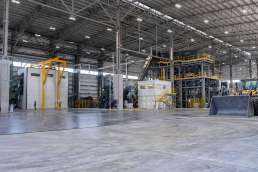
We therefore designed a solution that combines mechanical strength, automation and process supervision. The in-line layout was developed to keep material flows continuous, reduce inefficiencies and maintain consistent performance even when handling variable input materials. The centralised control system provides a complete view of the entire process, allowing the customer to monitor and optimise the main operating stages.
The result is a plant that does more than reduce or separate scrap: it prepares the material specifically for the next stage, the melting process. This is where the concept of “ready to furnace” becomes concrete. The plant contributes to the production of low-carbon billets and T-bars marketed by EGA under the RevivAL brand, integrating scrap into an industrial value chain that generates new value from post-consumer materials and industrial scrap.
As part of the project, we also supported the EGA team during start-up and operational preparation. Dedicated operator training was a key part of this work: not only to transfer technical knowledge, but also to enable the customer to manage the plant with continuity, safety and efficiency.
Integrated technologies for furnace-ready material
The plant designed for EGA is built around a multi-stage process, with each stage engineered to maximise efficiency while delivering consistent output quality.
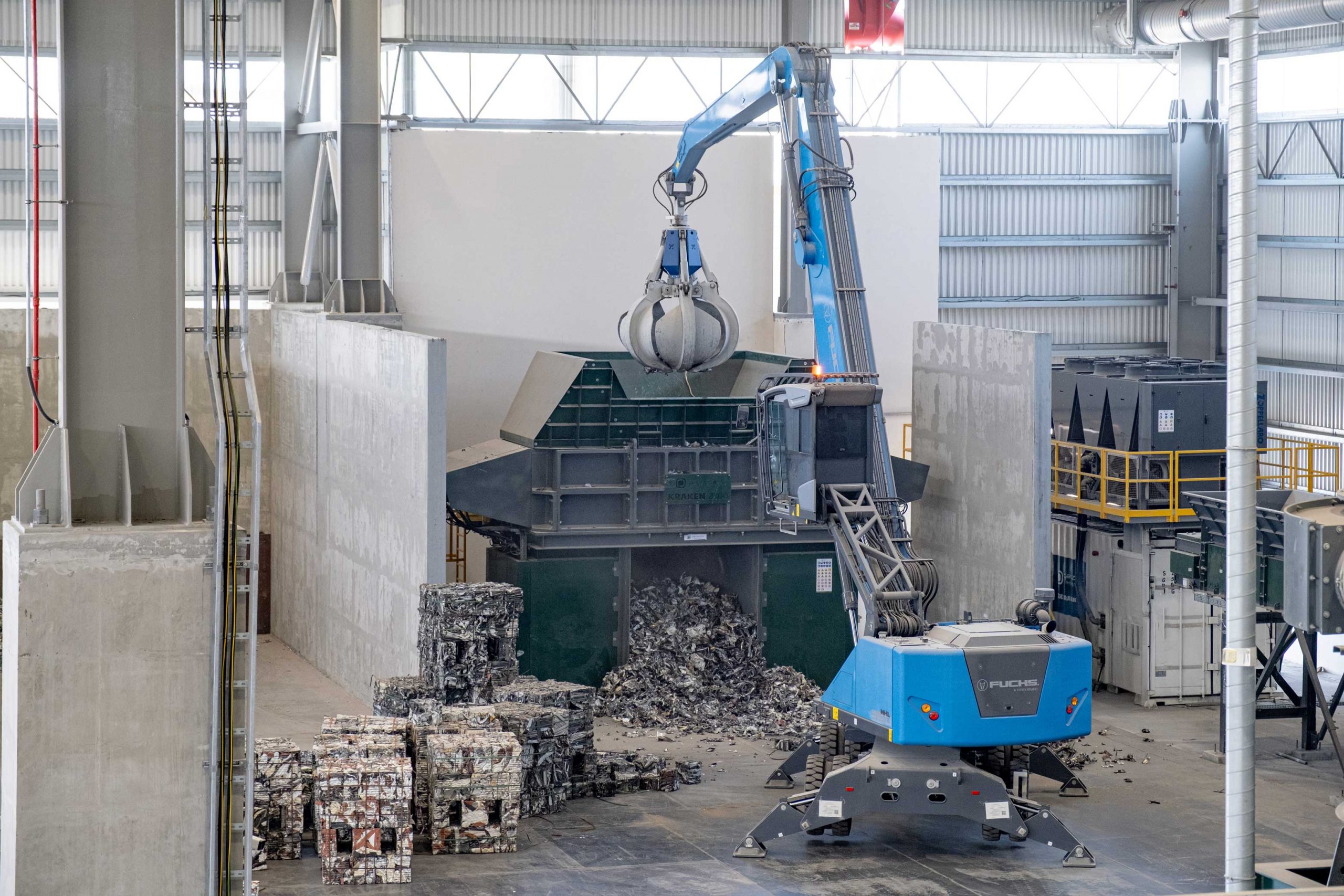
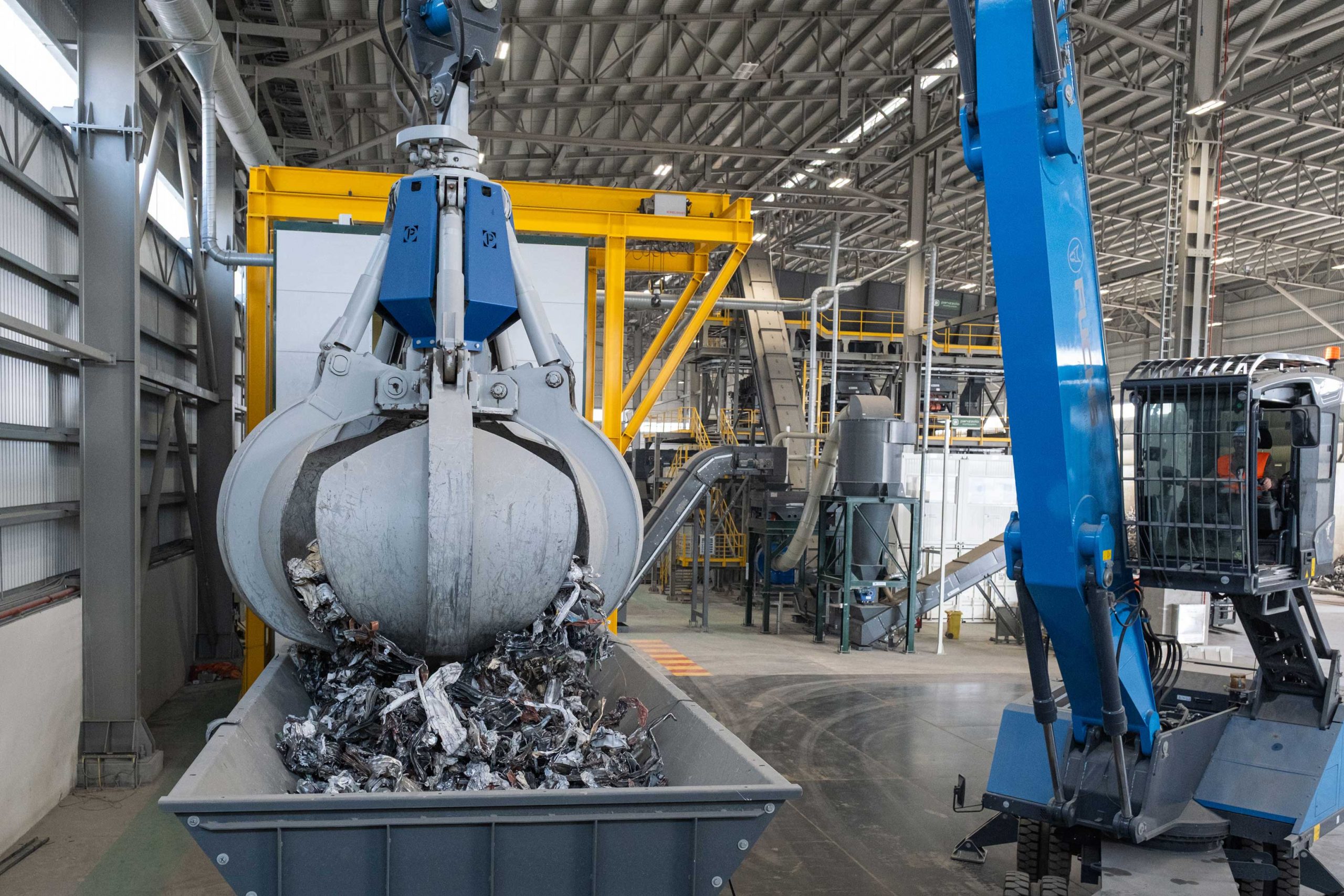
- The first stage is handled by the Kraken pre-shredder, equipped with a dedicated chiller to ensure reliable operation even in the high temperatures typical of the region. A technical solution specifically designed to guarantee continuous operation in particularly demanding environmental conditions.
- The material is then processed by the Mega 735 hammer mill, featuring soundproofing and an initial magnetic separation stage. Here, the scrap is prepared for the downstream separation process, where material consistency and stable flow are essential to achieving high-quality results.
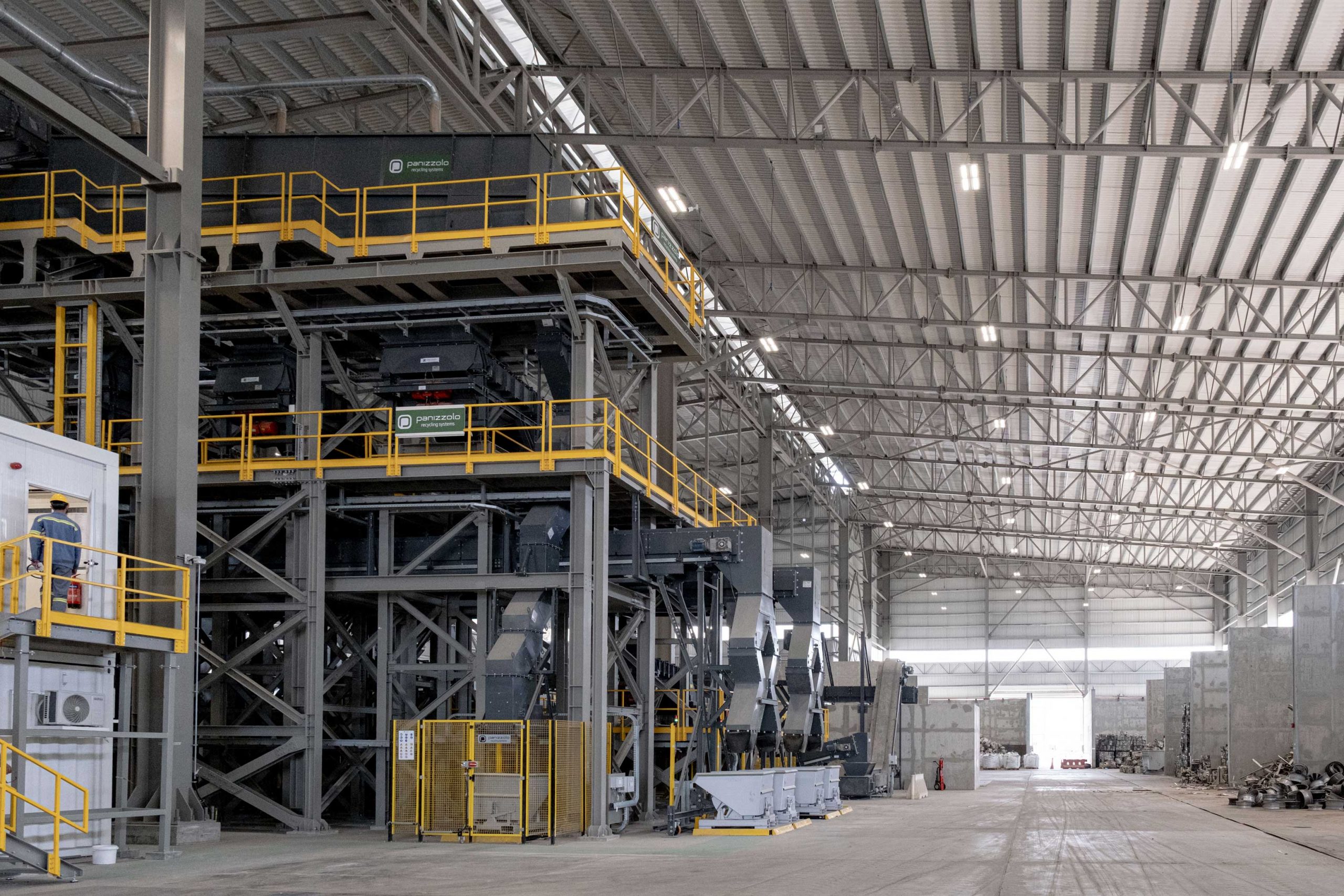
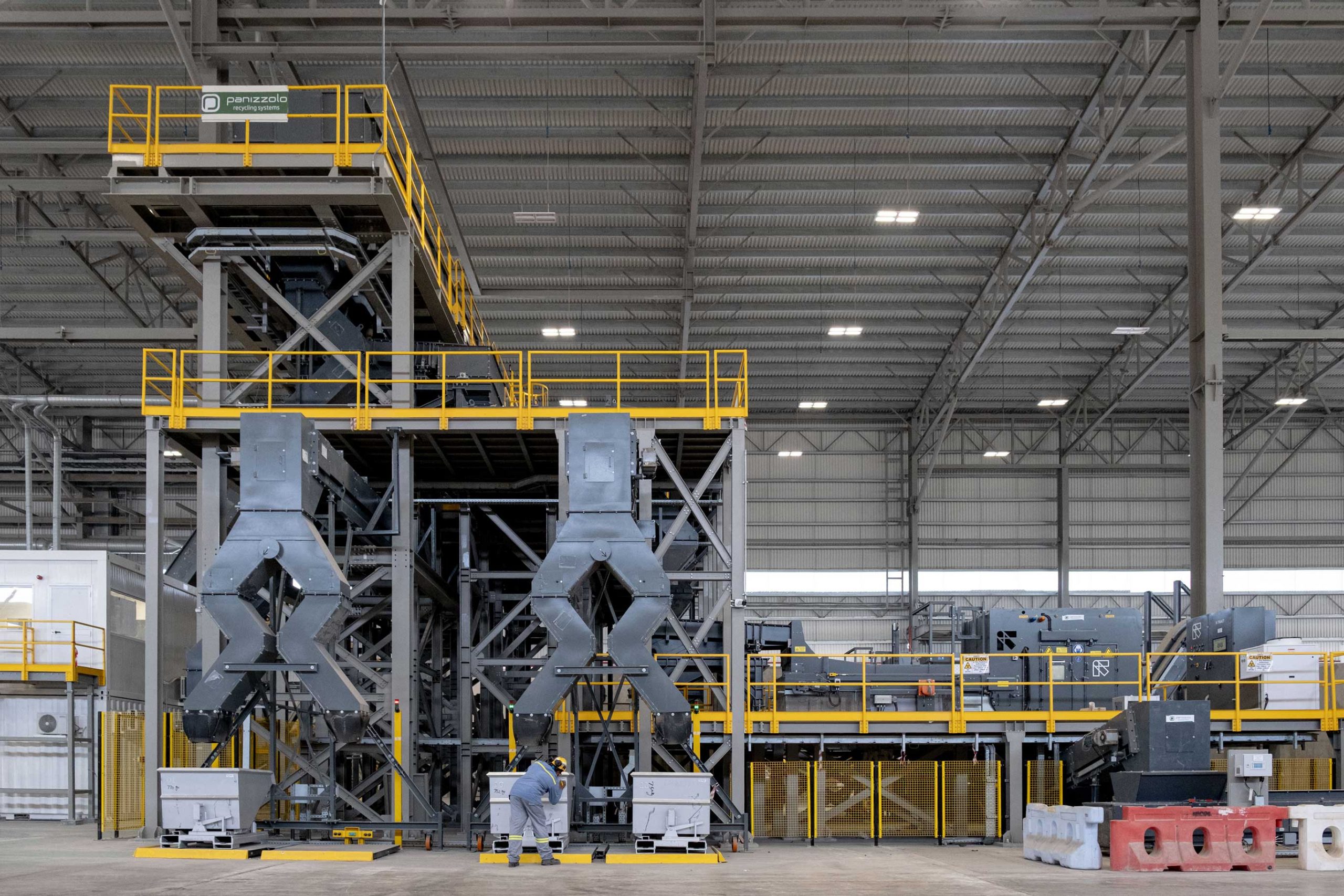
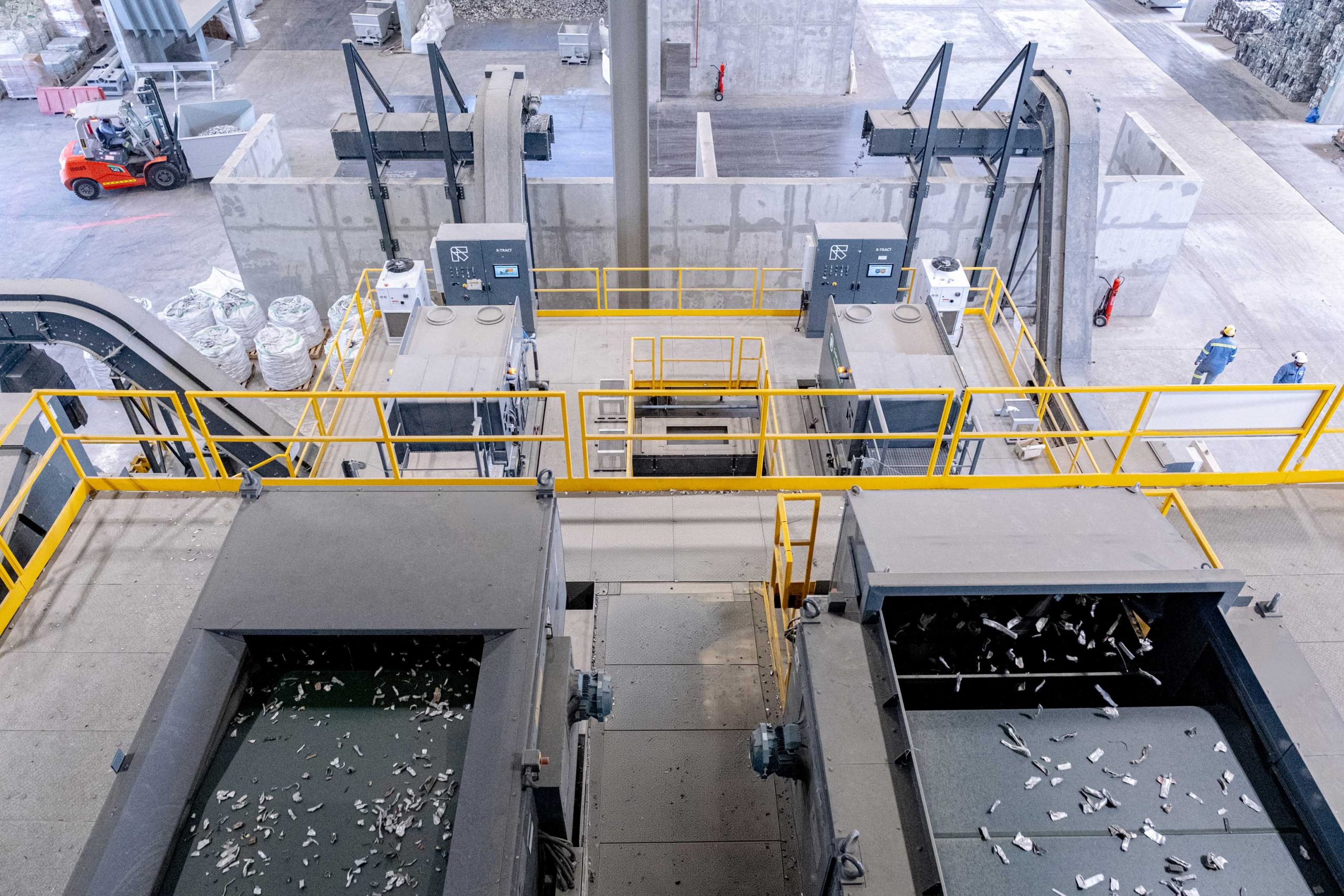
- One of the key elements of the process is the separation section, developed vertically up to 17 metres. Purpose-designed for this project, it required extensive engineering to efficiently integrate screening systems, Eddy Current separators and X-ray sorting technology. The vertical configuration was chosen not only to optimise the plant layout, but also to improve material flow and maximise separation efficiency. At the same time, the complexity of the structure required particular attention to safety, accessibility and maintenance, resulting in dedicated design solutions that enable safe access, faster servicing and uninterrupted operation.
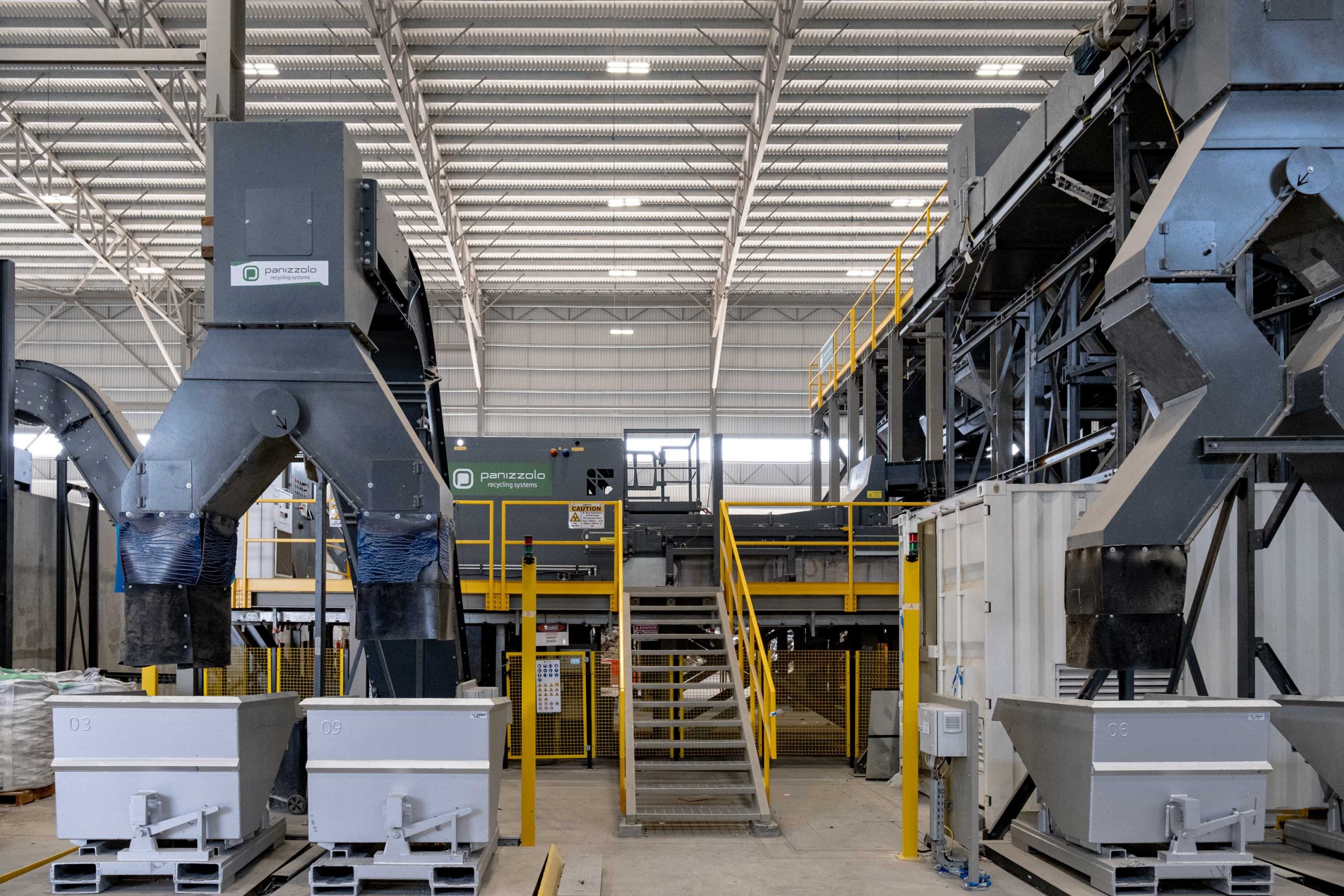
- Once separated, each material fraction is conveyed to dedicated collection areas equipped with automatic weighing systems integrated with the plant control software. This allows operators to monitor not only the volumes processed in real time, but also the value generated by each output stream.
- The entire plant is managed from a centralised control room, providing full supervision of every stage of the process. Four reversible storage areas complete the system, ensuring continuous operation even under high processing volumes.
Performance of up to 28 t/h
After months of engineering, manufacturing and installation, the performance tests marked the moment when the entire project was put to the test under real operating conditions. More than a simple performance check, they were the final validation of the plant’s ability to deliver exactly what it had been designed to achieve.
Designed to support an annual processing capacity of up to 185,000 tonnes, the line achieved a throughput of between 23 and 28 tonnes per hour, depending on the type of material being processed. This is a particularly significant result considering the highly heterogeneous nature of the input material, where process stability and consistent output quality are essential to supplying furnace-ready material.
It was during these tests that the plant demonstrated its true value: not only in terms of throughput, but also through its reliability, operational stability and its ability to consistently meet the performance targets defined at the design stage.
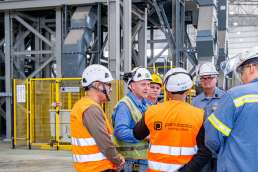
The design and organisational challenge
While the project relied on proven technologies from a technical standpoint, its true complexity emerged in the overall management. It required constant coordination between engineering, suppliers, international logistics and on-site operations. The scale of the project gives a clear sense of this complexity: the construction of the plant involved around 4 million working hours in total.
As Fеdеricо Giraldo, the Project Manager who directly followed the project, explains:
“This was not simply about building a plant. It was about making every phase work together: engineering, suppliers, international logistics and on-site activities. The operating context made the challenge even more demanding, with high temperatures, the significant scale of the line and very rigorous management of all activities. The goal was to deliver an integrated system capable of ensuring operational continuity and stable performance from start-up.
Installation was one of the most delicate stages of the project. Working in a challenging environment, far from the main logistics hubs and under extreme climate conditions, required precise planning and constant coordination of people, equipment and activities, always in full compliance with safety standards.
This was combined with the organisational complexity of working with the customer. Collaborating with Emirates Global Aluminium means engaging with a highly structured organisation, made up of multiple departments, professionals from international backgrounds and particularly detailed internal procedures. In a context like this, technical expertise is essential, but it is not enough. Method, adaptability, communication and continuity in project management are just as important.”
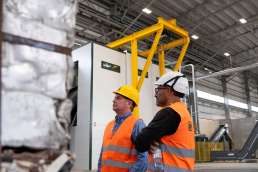
A result that opens up new perspectives
Projects of this kind do not end with the delivery of the plant. They mark a real step forward in the way complex projects are approached, strengthening a working method that can be applied to large-scale, international and highly demanding production environments.
“In a plant like EGA’s, it is not enough for each component to perform correctly,” comments Mauro Panizzolo. “The result depends on the ability of the entire line to operate as a single system, maintaining continuity between engineering, installation, start-up and operational management. This collaboration has allowed us to further strengthen this approach, showing how technologies, people and activities can come together in a stable and efficient line, aligned with the customer’s production objectives. At the same time, the project is already opening up new perspectives for us: we are in contact with other companies interested in developing similar plants, confirming that large-scale recycling is becoming an increasingly concrete direction for the industry.”
For us, EGA is therefore a benchmark not only for the scale of the plant, but also for what the project represents: aluminium recycling is becoming firmly integrated into major industrial processes, with increasingly demanding requirements in terms of quality, continuity and integration. It is in this direction that we will continue to develop technologies and expertise, turning the complexity of scrap into value and supporting new operators in the development of increasingly structured projects.
Planning your next recycling project? Let's find the right solution together.
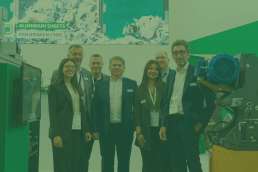
IFAT 2026: four days of dialogue, innovation and new perspectives
IFAT 2026: four days of dialogue, innovation and new perspectives
A recap of our presence in Munich, featuring the technologies we presented, international dialogue and new directions for the metal recycling sector.
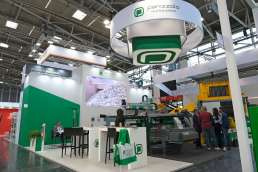
IFAT 2026 has come to an end, marking one of the most dynamic and international editions of recent years. For four days, Munich once again became a meeting point for the environmental and material recovery sector, bringing together technologies, industrial visions and operators from all over the world.
The 2026 edition once again confirmed the international scope of IFAT, welcoming around 142,000 visitors from more than 160 countries and over 3,400 exhibitors across the exhibition halls. Significant figures that reflect the value of the trade fair as a place for meeting and exchanging views on the main challenges of the circular economy. This role was also highlighted by the organisers, who stated that “IFAT Munich 2026 clearly demonstrated how valuable it is, as the world’s leading trade fair, for the exchange and further development of key future-oriented topics.”
For us too, IFAT proved once again to be a strategic moment. Not only to present new technologies, but above all to engage directly with those who work every day in the metal recycling sector: structured companies, independent operators, industrial partners and businesses at the forefront of the rapid evolution of production processes. It is precisely within this context that the innovations presented at the fair take shape.
Solutions developed from real operational needs
In recent years, we have intensified our research and development work with a clear objective: to design solutions increasingly aligned with the needs of the sector. This approach led us to present new technologies in Munich, all sharing the same design direction: optimising and simplifying operational management, improving process control and making plants more flexible and configurable. In the following video, produced in collaboration with WMW Magazine, our Marketing Manager Mattia Molena presents the technologies showcased at our stand.
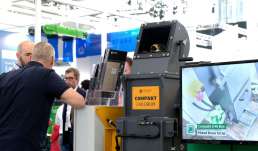
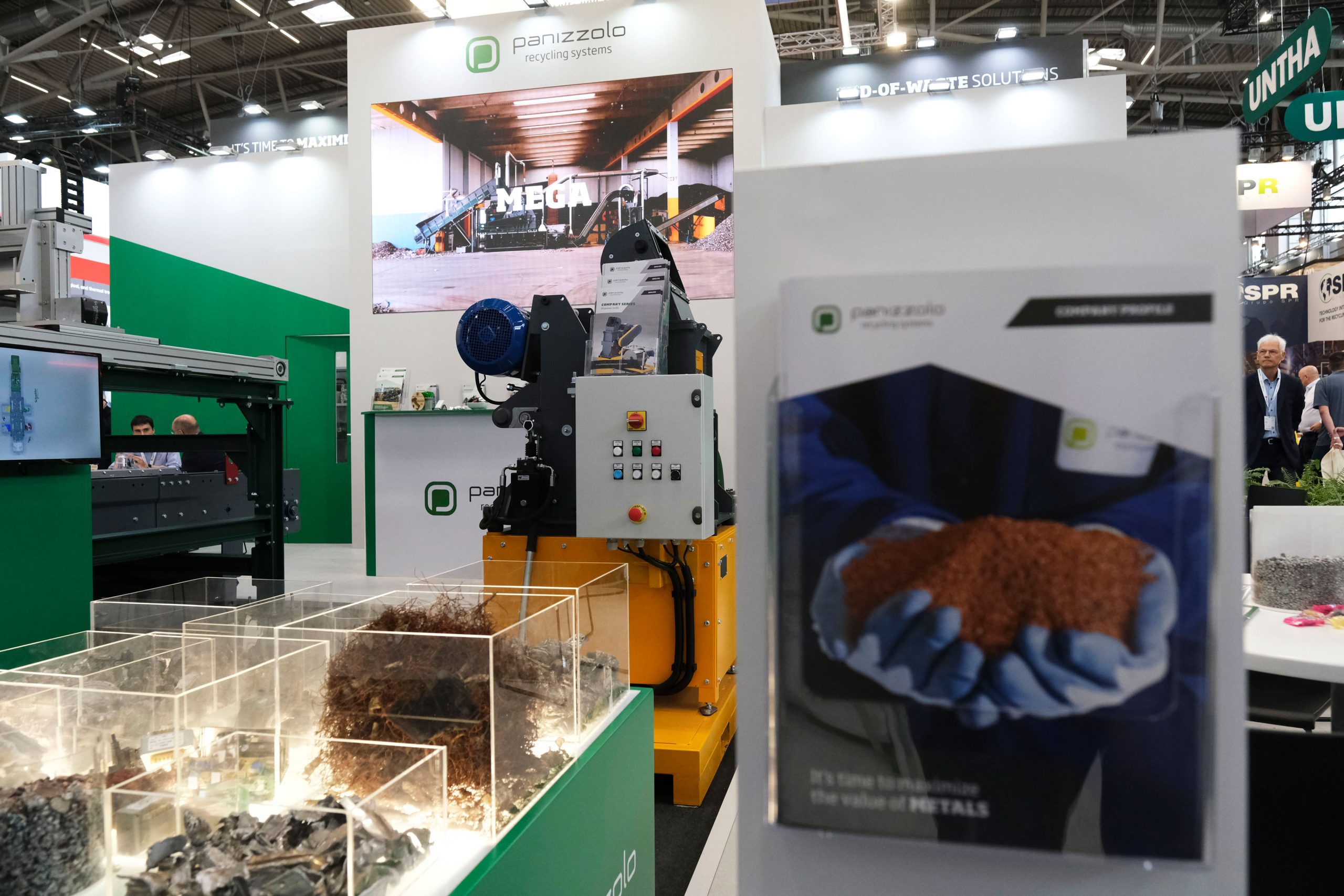
The new Compakt series takes centre stage at the Panizzolo stand
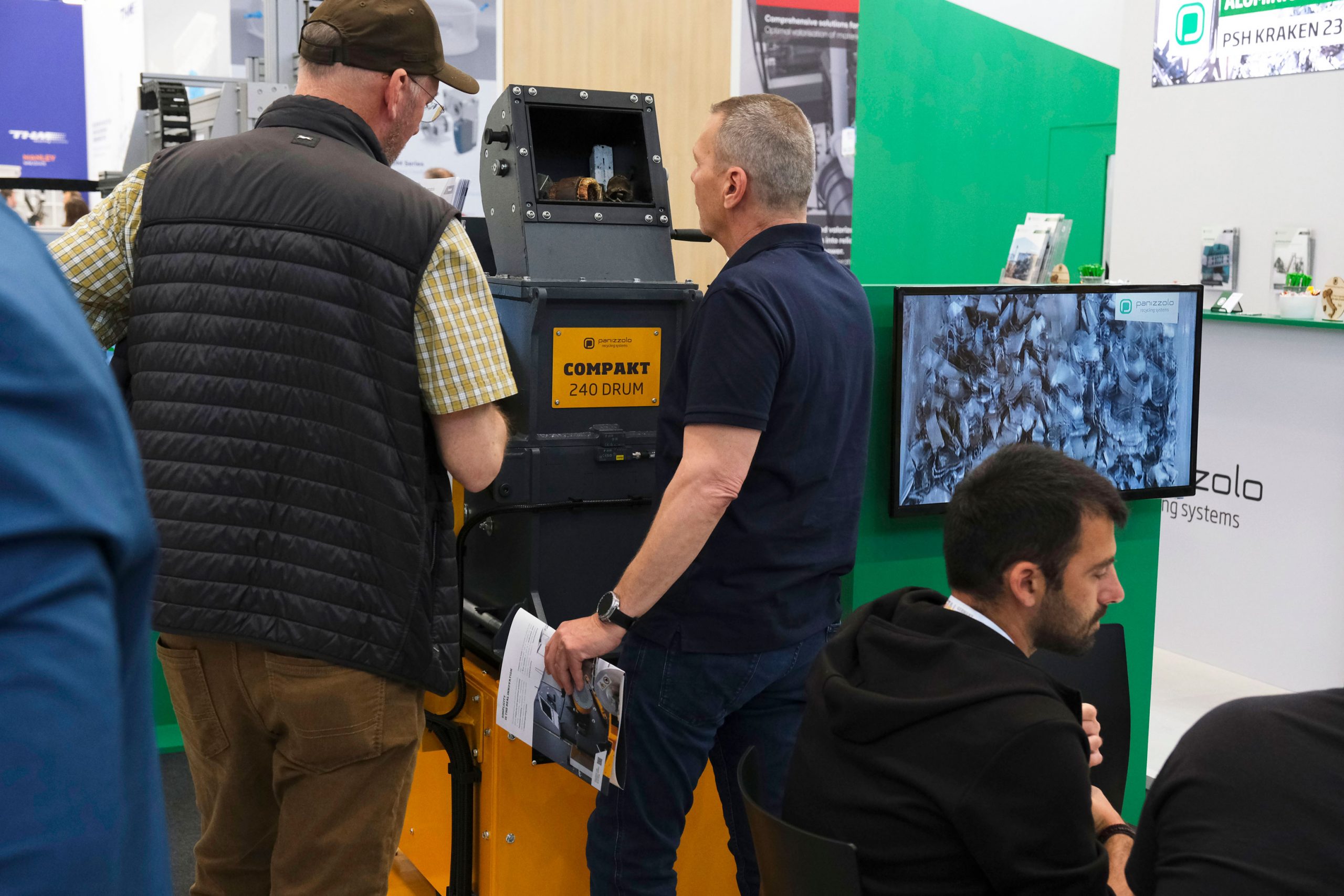
Among the innovations that generated the greatest interest was certainly the new Compakt hammer mill series. This was an important signal, confirming how today’s market is looking for solutions that combine operational simplicity, reliability and rapid installation.
The Compakt series was developed with a clear purpose: to offer a more practical and immediate approach to metal scrap treatment, while maintaining the technological know-how and experience gained in grinding processes. Its compact structure, simplified installation and ability to operate even with reduced volumes opened up new application perspectives that were highly appreciated by visitors at the fair.
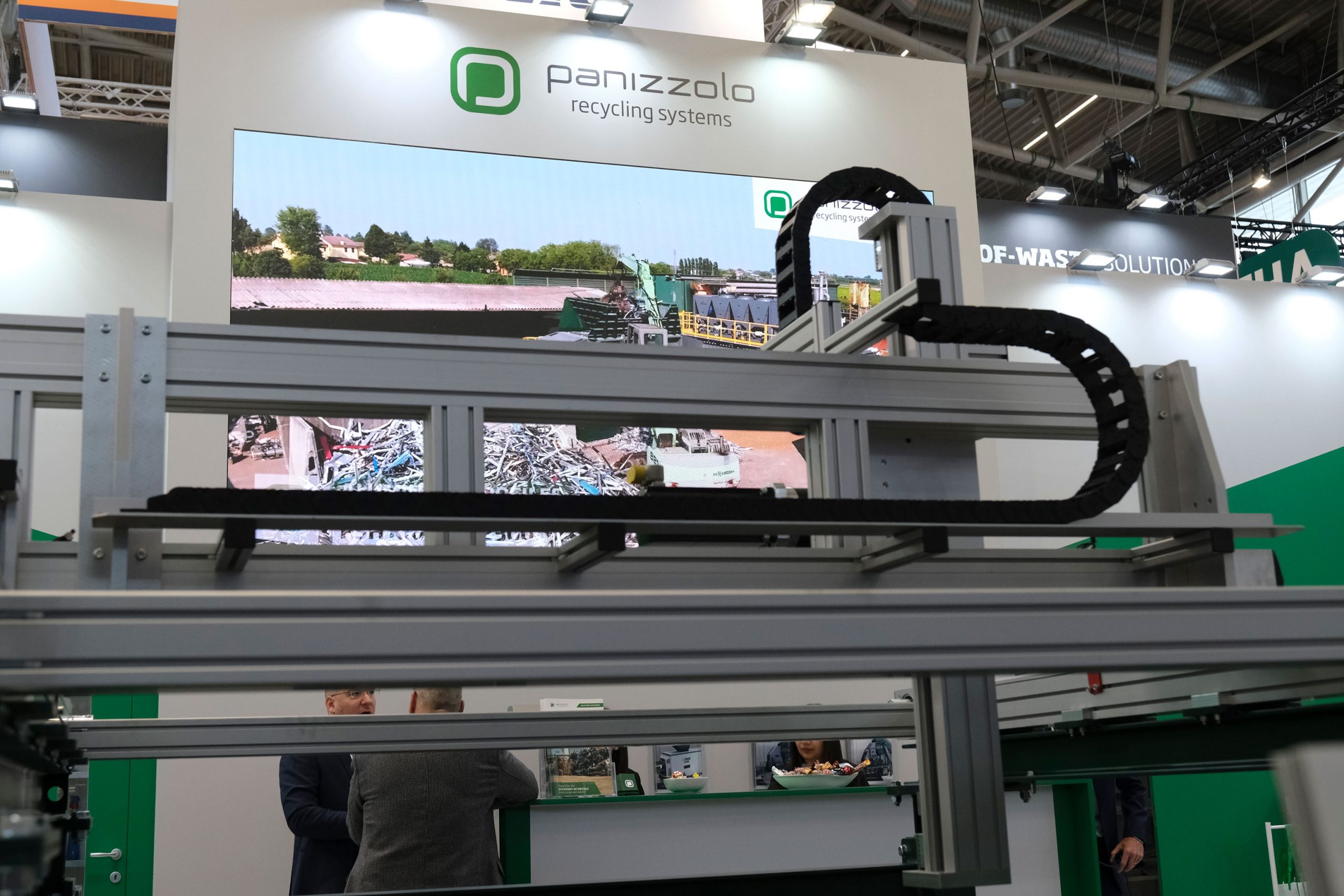
More innovations presented at IFAT 2026
Alongside the Compakt series, we also presented the new Industry hammer mill series, developed for specialised applications and designed with dedicated configurations based on specific materials and production goals. This solution aims to combine structural compactness, operational continuity and treatment optimisation through a more targeted approach.
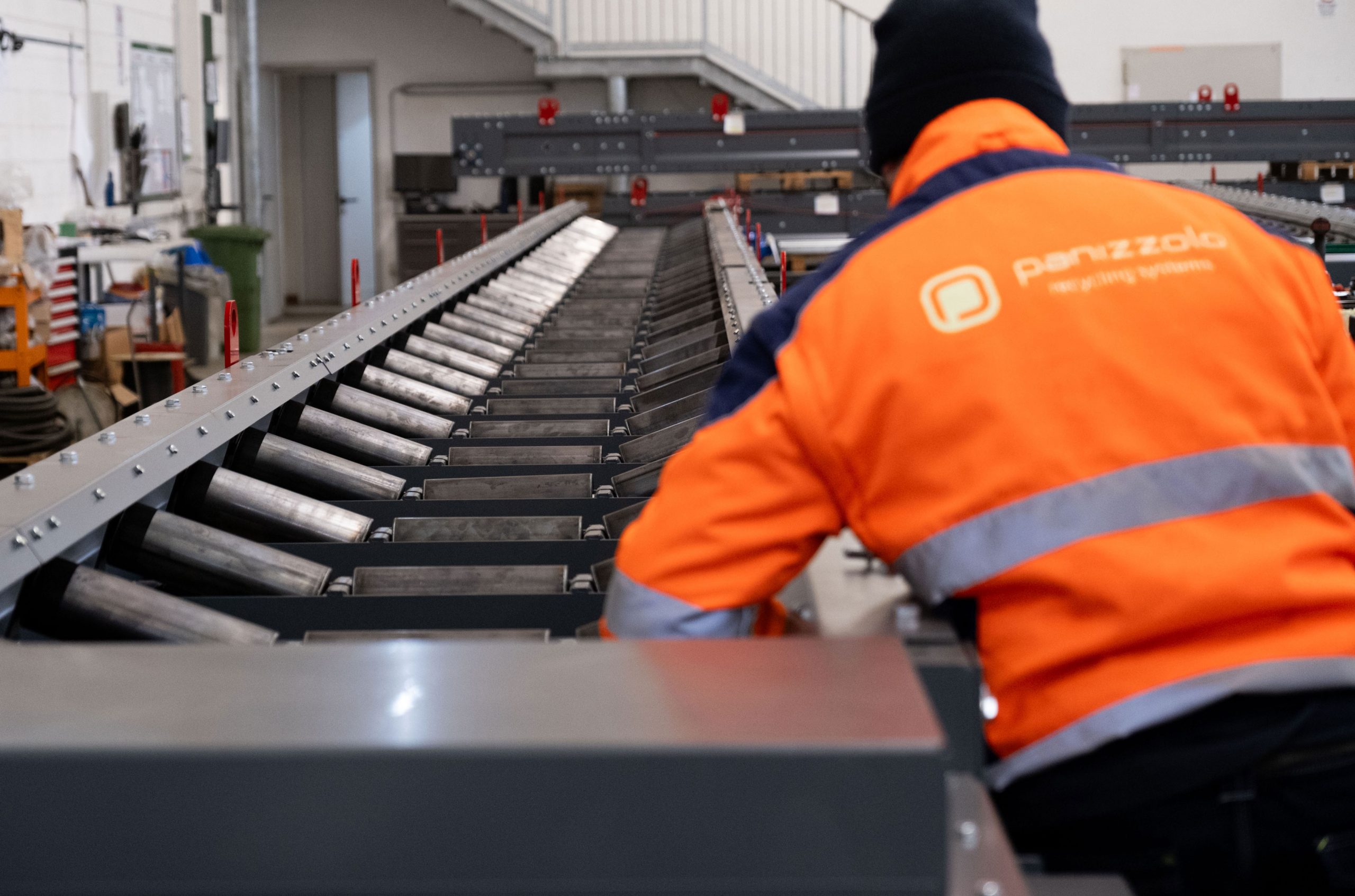
Among the other innovations presented at IFAT was our new modular conveyor belt line, developed with a configurable logic that allows length, inclination and conveying structure to be adapted according to the characteristics of the plant.
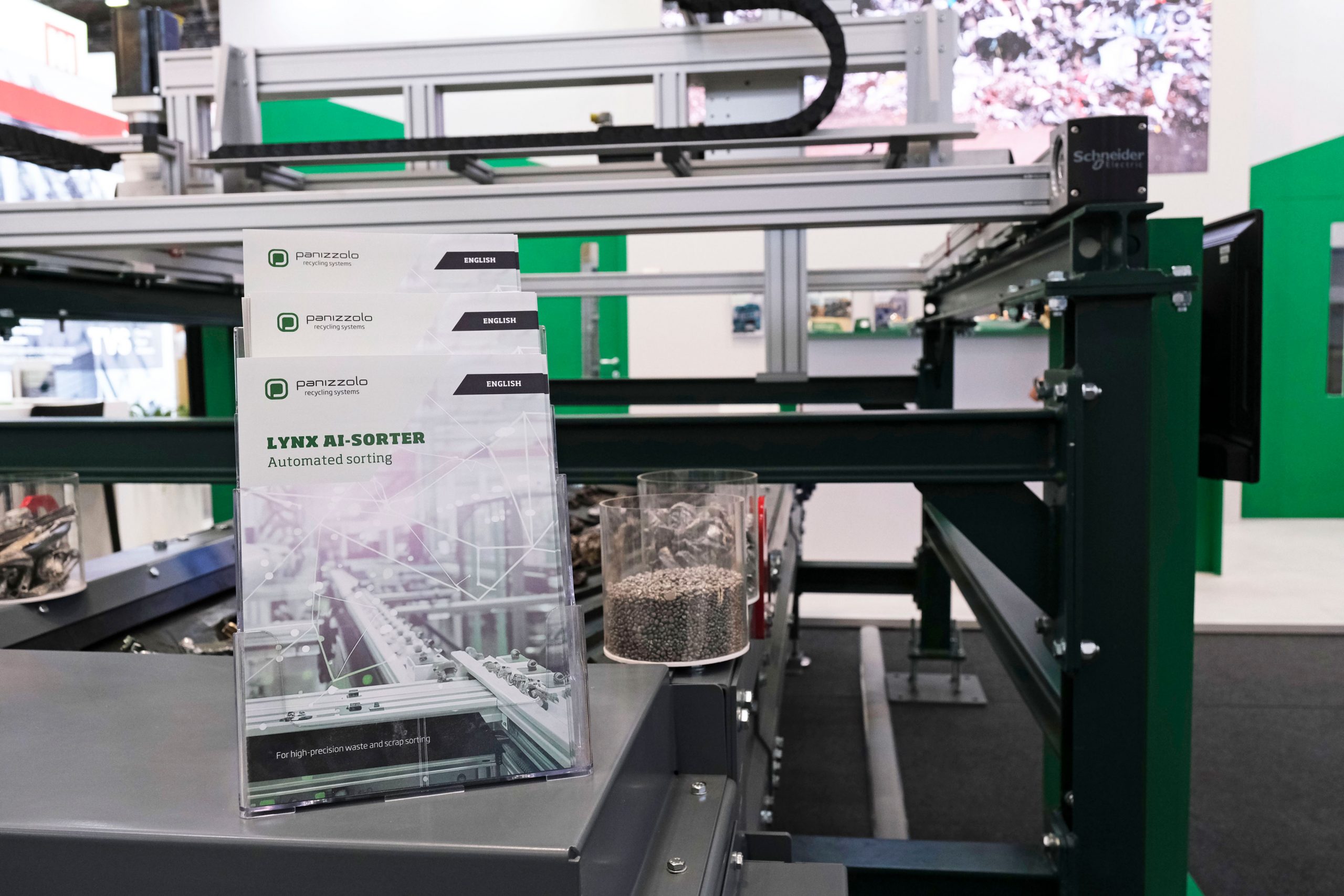
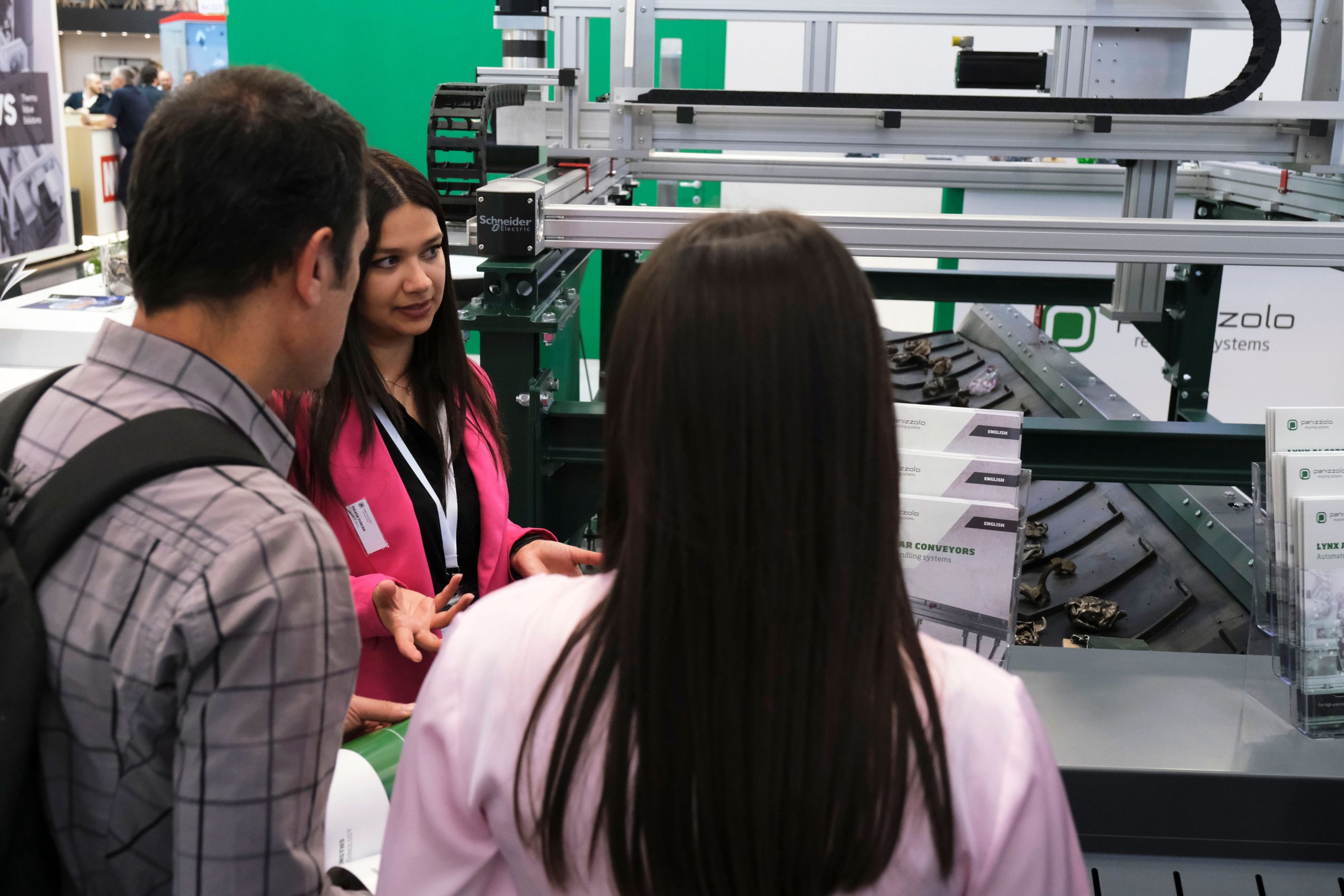
Great attention was also drawn to Lynx-AI Sorter, the new separation system integrated with AI technologies. This project was developed to increase sorting precision and stability, especially in contexts where material variability, production continuity and labour availability are becoming increasingly critical factors.
More than a simple technology showcase, IFAT was an opportunity to gather reactions, observations and points of view on the new solutions. It is precisely this kind of exchange that enables us to continue developing technologies that are increasingly aligned with the real needs of the market.
Relationships, expertise and teamwork
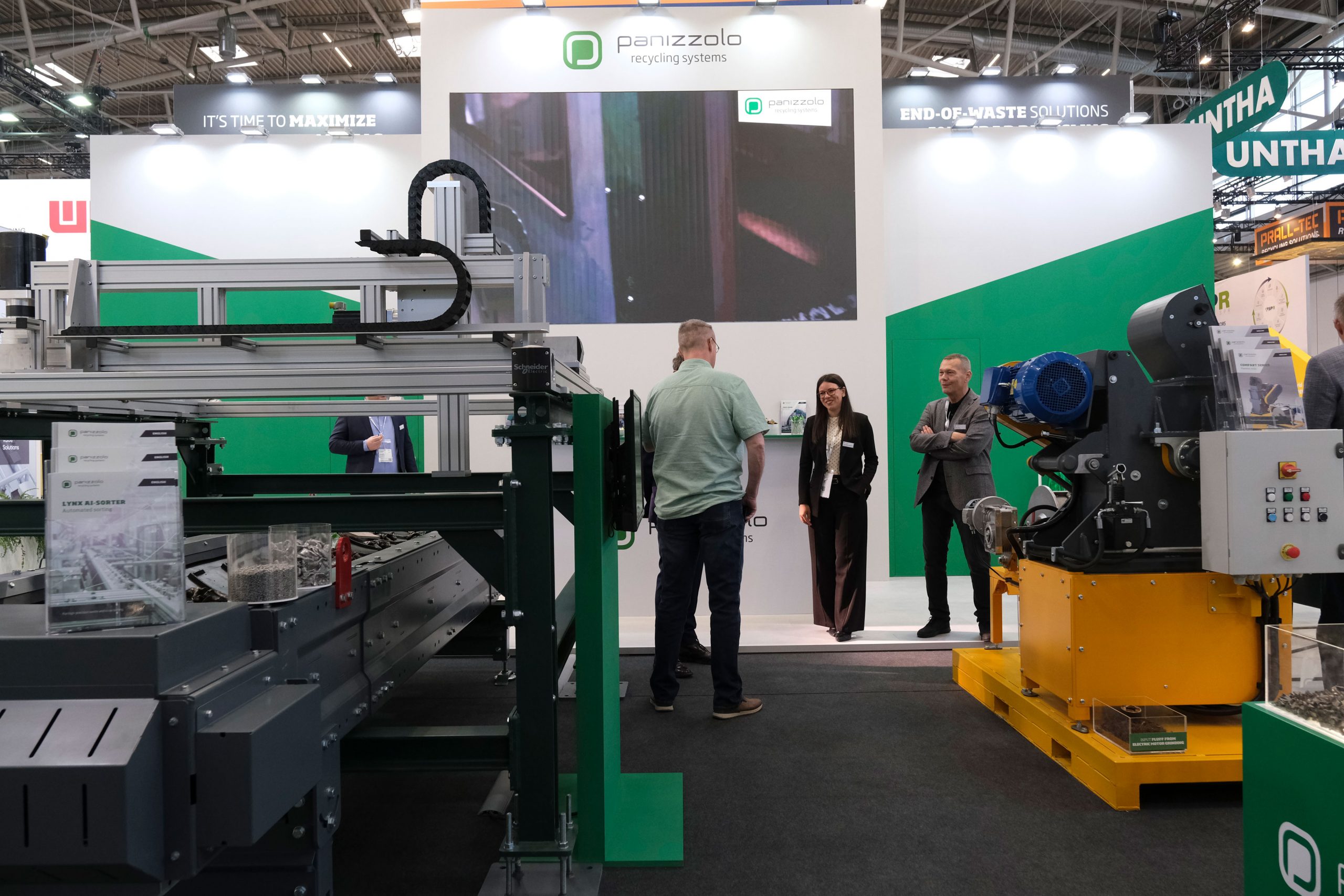
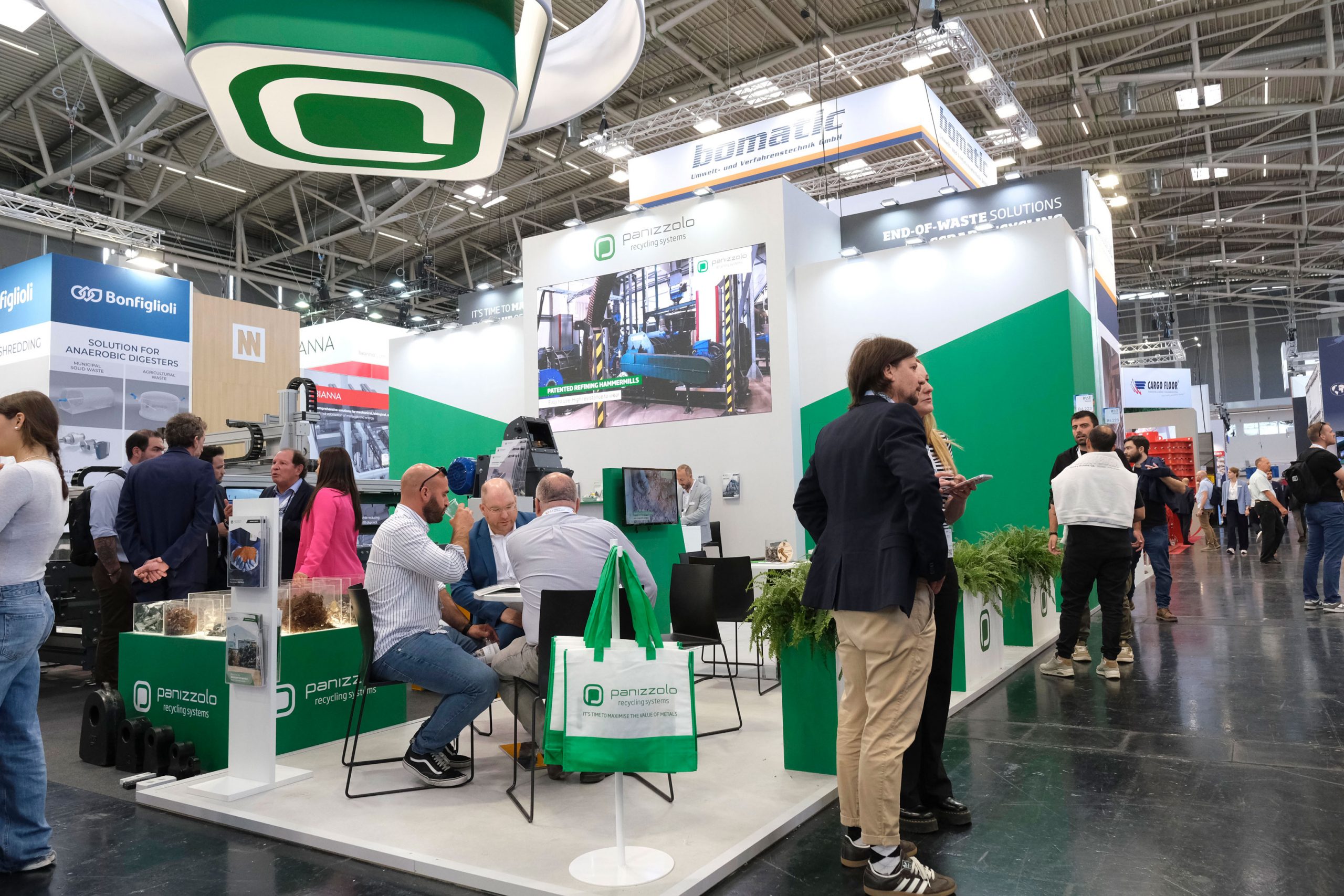
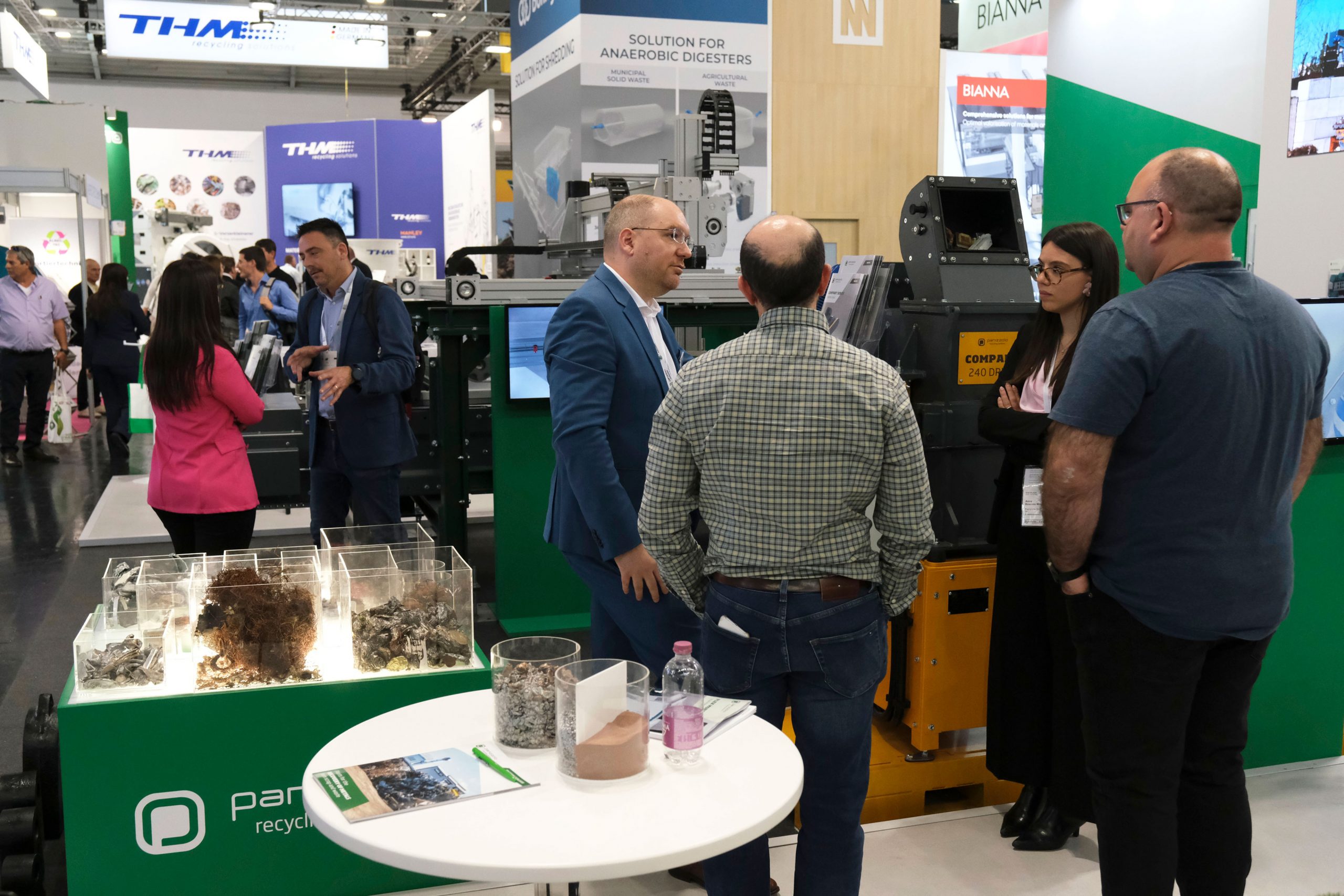
One of the most significant aspects of IFAT 2026 was the continuous exchange with people from very different markets, applications and operational contexts. Every meeting at our stand brought different experiences, specific needs and multiple perspectives on the future of metal treatment. We had the opportunity to discuss topics that are becoming increasingly central to the sector: automation, energy management, production flexibility, output quality and the long-term economic sustainability of plants. It was an extremely stimulating exchange, allowing us to observe first-hand how the market is evolving across different countries and industrial models, while also confirming how certain operational needs are becoming increasingly transversal.
Beyond the figures of the fair and the innovations presented, IFAT also left us with an important confirmation: the strongest results always come from the ability to work together in the same direction. In this context, the contribution of our sales team and international network of partners and agents was fundamental in turning the Panizzolo stand into a space for continuous dialogue, where technical expertise, relationships and market knowledge came together throughout the entire week of the fair.
Beyond IFAT: new directions for development
The conclusion of the fair now opens an equally important phase: the moment when the ideas, exchanges and projects that emerged in Munich begin to take concrete shape.
IFAT 2026 gave us a very clear picture of the evolution taking place across the sector: processes increasingly focused on operational efficiency, greater attention to plant flexibility and the need for solutions capable of adapting to different production realities.
The technologies presented during the fair are rooted precisely in this observation of the market and mark the beginning of a new phase of development. Following the launch of the new solutions, this path will continue with the expansion of the series through new models, dedicated accessories and further design evolutions.
In the coming months, we will take a closer look at the solutions presented at IFAT through new technical content, dedicated focuses and specific applications, continuing a research and development path that evolves together with the needs of metal treatment.
Want to learn more about the innovations presented at IFAT, or do you have a project to develop? Our team is available to provide all the information you need.
Heading to IFAT 2026: Panizzolo’s latest innovations for metal recycling
Heading to IFAT 2026: Panizzolo’s latest innovations for metal recycling
From new grinding systems to intelligent separation: a preview of the technologies we will showcase at the next edition of IFAT Munich.
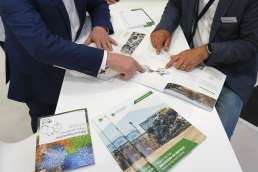
Innovation does not happen by chance. It is the result of a continuous journey of research, experimentation and constant dialogue with industry operators. The experience gained in plant design and operation enables us to transform this knowledge into concrete technological solutions developed to improve metal recovery processes.
Research & Development has always been a key driver of the company’s growth. Over the past two years, we have further strengthened this commitment by increasing investments and expanding the involvement of several company departments — from mechanical design to the commercial team — with the goal of evolving our solutions while keeping the needs of industry operators at the center. The latest results of this work will be presented at the next edition of IFAT Munich.
Among the innovations we will bring to the exhibition are two new grinding systems designed to translate the established quality standards of Panizzolo technology into more essential and targeted solutions. Machines that maintain the same reliability and robustness as our plants, but with configurations even more focused on specific processing requirements.
Alongside these solutions, we will also present a new line of conveyor belts developed with a modular design approach, allowing greater flexibility in plant layout configuration and optimizing the management of material flows within the process.
Completing the innovations is a next-generation separator that integrates artificial intelligence algorithms, a technology designed to bring sorting operations to a higher level of precision and automation. A further step towards increasingly intelligent processing systems capable of supporting operators in handling complex materials and improving recovery quality.
“These solutions represent a new phase in the development of Panizzolo technologies,” comments Mauro Panizzolo, owner and Sales Manager. “The recycling sector is currently undergoing a significant transformation, which also requires a different approach to technology design. For us, this means continuing to develop systems capable of supporting this evolution while maintaining strength and reliability over time.”
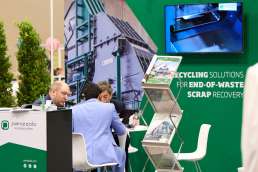
Join us from May 4 to 7 at our stand to discover our latest innovations and explore new solutions and projects together.
STAND B6-223
The new Metfer plant: Panizzolo's future-oriented technology
The new Metfer plant: Panizzolo's future-oriented technology
Let's discover the project that combines performance and advanced management to improve process yield and efficiency.
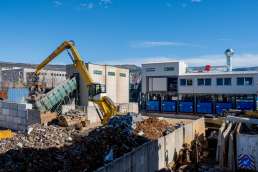
In scrap metal processing, the real difference today lies not only in performance, but in the ability to design flexible systems, ready to evolve over time. Variable volumes, heterogeneous materials and ever-changing markets require a new approach: the system can no longer be a static solution, but must be capable of adapting and generating value in the long term.
This is the context in which we developed the new project for Metfer S.r.l., a historic Italian company specializing in the management, transport, and trade of scrap metal.
In the following video, Mattia Molena, Marketing Manager, and Francesco Ruggiero, Head of Automation Design, take a closer look at the design choices and technologies that characterise the new plant.
A collaboration that evolves over time
Founded in 1992 by Michele Montrone, continuing the business started by his father in 1973, Metfer is now part of a group with several operational sites in Friuli-Venezia Giulia and a consolidated presence in Italy and abroad. The company specializes in the processing of mixed metals and electric motors, a sector that requires robust, versatile and highly controllable systems.
Our collaboration does not begin today: Metfer already had a plant equipped with a Flex 1000 Mobile hammer mill, which made a concrete contribution to the expansion of the business. As production requirements evolved, the need to take a further step forward arose naturally. Hence the decision to choose us again as a partner to develop a system upgrade oriented towards higher performance and a long-term vision.
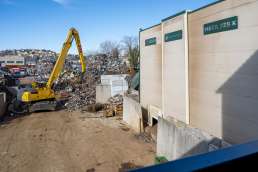
Not just productivity: the importance of monitoring
The new system stemmed from two very specific needs: to increase productivity and introduce a structured yield monitoring system capable of providing continuous and objective data on system performance. In the processing of mixed metals and electric motors, profitability depends not only on the volumes processed, but on the ability to extract value from each batch. Without precise control of yields and process parameters, the return on investment remains partly theoretical and difficult to measure. As Diego Montrone, co-owner of Metfer, points out:
“Growth today is linked to understanding and controlling the process: only in this way is it possible to understand where value is generated and how we can make processing more efficient.”
Having a clear view of performance means being able to identify inefficiencies, guide operational choices, and work towards continuous improvement. In this sense, process control becomes crucial to transforming the investment into measurable and sustainable value over time, supporting decisions based on concrete data.
The key role of grinding
The heart of the line is the Mega hammer mill, chosen for its high performance and the strategic role that grinding plays within the treatment cycle. Often underestimated, this phase is the crucial moment where the quality of the entire process is decided. Effective grinding is, in fact, essential to ensuring proper scrap preparation, improving not only the overall efficiency of the system, but also the quality of the output material and the stability of the process over time. The system also includes a selection and separation area, designed to maximize the mill’s performance and already prepared for future technological upgrades.
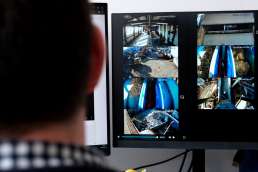
Prisma: for advanced process management
With the Metfer project, the real qualitative leap concerns not only performance, but the very way the treatment is managed. A distinctive feature of the new system is the integration of Prisma, the software we developed internally to offer structured and centralized process control. The system builds on our direct experience in plant management and is now applied on an industrial scale. Prisma collects and integrates information from machinery, electrical panels, scales, and control systems into a single interface. All data is recorded and logged, allowing operators to analyse performance over time, identify inefficiencies and intervene more precisely in the event of anomalies.
Advanced batch management lies at the heart of the system. For each process, operational parameters, yields and energy consumption are recorded, directly linking technical performance and economic results. Data is no longer just a figure, but becomes a practical tool for controlling quality, efficiency and profitability. As highlighted by Francesco Ruggiero, Head of Automation Design at Panizzolo:
“Technical data thus becomes a concrete tool for controlling production, quality, and profitability, allowing for the precise measurement of process efficiency and return on investment. Prisma does not just describe what happens, it helps the company guide improvement interventions and objectively evaluate the economic sustainability of various processes.”
In this way, the process is no longer based solely on experience, but on objective and continuously updated information, which supports operational and strategic decisions. At the same time, complete traceability of processes improves energy efficiency, reduces waste, and opens up new opportunities, such as the structured management of third-party activities.
Systems designed to evolve
The Metfer project demonstrates how today’s system design must go beyond responding to an immediate need. Each system is required to operate in a constantly changing landscape, where materials, volumes, and demands are ever-evolving. For this reason, supporting the customer means providing not only technology, but also experience and tools capable of supporting informed decisions throughout the system’s life cycle.
As Mauro Panizzolo, owner and Sales Manager, points out:
“Designing a system means thinking about how it will evolve, not just how it needs to function today. Our goal is to support customers on their growth path, building solutions that maintain value over time.”
This vision translates into systems designed to adapt to new production objectives, progressively integrating additional features, while maintaining efficiency and reliability. An investment-protecting approach reduces the risk of obsolescence and allows the company to grow without disrupting its infrastructure.
Thanks to this approach, Metfer now has a solid, high-performance solution ready to meet the challenges of a complex market. A project that reflects our philosophy: to develop systems capable of evolving and generating lasting value.
Do you have a project or a processing challenge?
Our team is ready to help you find the right solution.
Flex Series: flexible grinding for scrap metal processing
Flex Series: flexible grinding for scrap metal processing
Versatility, efficient productivity, and build quality: let’s explore the strengths of Flex hammer mills
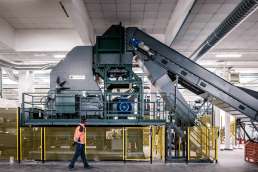
In the processing of scrap metal, variability is an intrinsic part of the process, and those working in the industry are well aware of this challenge: input materials are never all the same, volumes change, and ideal conditions have a limited duration. It is in this context that the true effectiveness of a mill is measured: not so much when everything is standardised, but when the process has to guarantee stability despite the many variables that come into play.
Flex hammer mills were developed from this awareness and from the direct experience that we gained in the field. The series is the result of observing plants in operation and constant feedback from customers and operators, which enabled us to offer a reliable solution for the flexible grinding of scrap metal. A technology developed to work continuously, ensuring process control, structural quality and more efficient and optimised plant operation over time.
The Flex series is designed to adapt to the real variability of scrap, maintaining operational continuity and process control.
A flexible approach to grinding
Designed for processing small and medium-sized scrap metal, the Flex series is characterised by its wide range of applications and its ability to meet the needs of different production contexts. The mills efficiently process different materials such as small electric motors, transformers, scrap from WEEE, shredded aluminium, tin and iron with plastic.
This versatility is supported by the patented interchangeable cradle, which allows Panizzolo mills to adapt quickly to grinding multiple types of scrap or changing piece size in processing. In an environment where material variability is the norm, flexibility becomes a decisive element in maintaining stable production performance.
Constant productivity under varying operating conditions
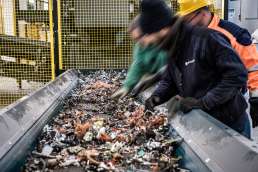
The Flex series ensures a productivity of up to 14 tonnes per hour, depending on the model and material handled. The continuous work cycle and the use of high-efficiency components allow constant processing volumes and output material quality.
Process continuity is not only a production advantage, but an element that affects the overall organisation of the plant. Working with stable parameters allows better planning of downstream activities and contributes to maximising overall output, improving profitability even with varying workloads.
Process stability
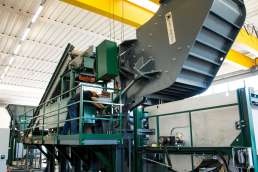
The oscillating table with eccentric, designed in-house, regulates the movement of material during loading and unloading, ensuring a uniform flow in the grinding process. This solution makes it possible to avoid accumulations or discontinuities in the passage of material, contributing to the regularity of the work cycle.
This is complemented by a system that integrates 22 to 26 vibration dampers installed between the base and the floor, capable of damping approximately 80% of the vibrations generated by processing. The benefit is not limited to operational comfort, but directly affects component life span, the structural integrity of the machinery and process continuity in the long term.
Intuitive maintenance
Ease of maintenance is one of the aspects that make a real contribution to the stability of a machine or plant. For this reason, maintenance activities have been designed for maximum practicality: they require a small number of operators and do not require special equipment or complex procedures. Operations such as periodic checks and greasing are quick and intuitive, contributing to minimising downtime and reducing operating costs. An approach that facilitates daily management and improves reliability.
Optimisation of operational consumption
In recycling processes, energy is an increasingly important cost item and a critical parameter in the overall evaluation of a plant. Consequently, one of the central aspects in the design of the Flex series is the optimisation of the relationship between energy input and production output.
The mills are designed to ensure high performance with low energy consumption, contributing to reduced operating costs and improved processing sustainability. Specifically, according to an analysis based on publicly available market data, the Flex series offers energy savings of between 22% and 62% compared to other models with similar motors. The control software contributes to this balance by automatically monitoring and adjusting the main operational steps, limiting energy losses and keeping the process at optimum efficiency levels.
Designed for the long term
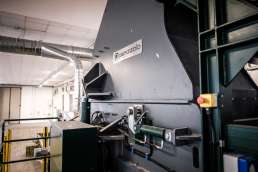
The Flex series reflects our design approach in every construction detail. Structural solidity comes from a design conceived to cope with the stresses of grinding, without compromising on durability. The high-quality steelwork and UNI EN ISO 3834-2 certified welds guarantee a reliable structure, even under the most demanding operating conditions.
This balance between design and construction allows the mill to maintain consistent performance, limiting wear, unscheduled downtime and extraordinary interventions. An approach that translates into machinery and solutions capable of sustaining the process over the long term, allowing customers to enhance the value of their investment and build stable, reliable plants ready to evolve over time.
Do you want to find out if the Flex series is right for you? Our team is available to discuss your project in depth.
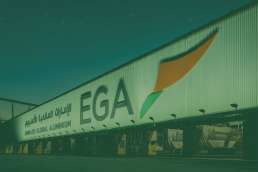
The EGA project at the heart of a forward-looking 2025
The EGA project at the heart of a forward-looking 2025
In this article, we dive into one of the challenges that defined our 2025, taking us in new directions.

Looking back on 2025, we can think of many projects that have marked our journey, each with different challenges and opportunities. Among these, however, there is one that most of all reflects the direction in which our evolution is taking us: our collaboration with Emirates Global Aluminium (EGA), one of the world’s leading aluminium producers, to build the largest aluminium recycling plant in the United Arab Emirates. Although we are still in the pre-start-up stage, this project has already given us a lot, pushing us to consolidate key skills and grow as a team.
Managing complexity
The EGA project has taken us beyond the boundaries of traditional installations: high processing capacity, unique specifications and a level of complexity that left no room for pre-packaged solutions. In the face of these challenges, constant communication and coordination between departments has been crucial to refining processes and finding innovative design paths. It was a challenging and ambitious journey, in which our team showed extraordinary solidity. The spirit with which everyone approached the project is summed up well by the words of Mauro Panizzolo:
Such a complex system is not built on a single brilliant insight, but on the strength of a group that remains united even when the challenges increase. This project pushed us beyond our limits, allowing us to prove our worth. In the coming months, with the start-up of the plant, all the work done will finally take shape: this is a moment that we are looking forward to, because it encapsulates the commitment and energy of everyone.

An evolving sector
The collaboration with EGA comes at a time when the aluminium sector is accelerating in new directions. The drive towards more efficient processes, the increasing demand for recycled materials and decarbonisation strategies are changing the priorities of companies, paving the way for latest generation plants. Secondary aluminium is no longer a simple alternative, but a strategic decision for those who want to combine competitiveness and sustainability.
The choice of EGA fits perfectly into this evolution. With a planned capacity of 170,000 tonnes per year, the new plant is at the heart of the group’s decarbonisation journey and represents one of the most significant projects in the transition to a circular economy in the Emirates. The recycled aluminium produced will be marketed under the RevivAL label, symbolising the company’s commitment to reduced emissions and responsible production. A view also openly shared by the CEO of EGA, Abdulnasser Bin Kalban, who has defined recycling as “one of the main growth opportunities for the entire industry”.
"Investing in new generation plants means choosing a more resilient industrial model. It is more a strategic decision, than a production one”.
(Mauro Panizzolo)
Panizzolo’s comprehensive know-how
In the EGA project our contribution covered the entire plant: from the definition of the treatment process to the flow design, through to coordination between the different operational steps and the criteria for integrating machinery with control systems. The objective was to create a line capable of sustaining high volumes in a stable and efficient manner, ensuring quality output and energy-optimised processes. This type of setup required very strict technical management, especially considering the unconventional nature of the plant. It is precisely in this context that the project highlighted the strengths of our M.O.: combining transversal skills, adaptability and a result-oriented engineering vision. The collaboration with EGA was developed on a very concrete basis, leading us to interpret the customer’s needs not only from a technical point of view, but also according to the industrial processes that the plant will support. The result is a solution designed to last and accompany the company in its transition to efficient and sustainable production.
New prospectives
One of the most notable aspects to emerge from this project is the interest sparked beyond outside the scope of the collaboration with EGA. In recent months, several international companies have contacted us to explore possible partnerships and evaluate investments in similar plants, driven by the need to increase efficiency and make their supply chains more competitive in the long term. It is a clear sign of the increasingly central role of recycled aluminium in the energy transition and of the market and institutions’ growing attention on advanced technological solutions. Again, Mauro Panizzolo’s words sum up well what is happening:
EGA shone a spotlight on our work. The enquiries we are receiving show that there is a desire to invest in aluminium recycling on a large scale. For us, it is confirmation that we are on the right track and that we can play a key role in this evolution.

Looking ahead to 2026
In the coming months we will enter the start-up stage of the plant, a significant step that will allow us to concretely see the result of the work done this year. The year 2026 is already shaping up to be a busy period, including the continuation of the EGA project, new orders and the development of solutions that will further expand our technology offering.
In terms of international events, we also have a full agenda ahead of us: after a busy 2025, in 2026 we will be present at several trade fairs, including IFAT Munich, an important opportunity to engage with the market, present our innovations and share our vision. So a new year full of impetus and opportunities awaits us, with all the potential to give concrete form to what we have built so far.
Would you like to learn more about our solutions? Contact us to receive further information.
End-of-life vehicle recycling: trends and perspectives for the industry
End-of-life vehicle recycling: trends and perspectives for the industry
Every end-of-life vehicle can become a new resource. In this article, we explore how the evolution of ELV recycling is transforming the industry.
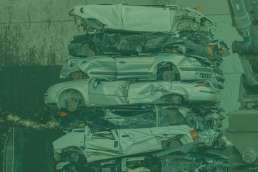
Every year around 40 million vehicles worldwide reach the end of their life cycle. A continuous flow of materials that, if managed correctly, can be transformed from complex waste to a strategic resource for the circular economy. In Europe, where more than 6 million vehicles are dismantled every year, the Directive 2000/53/EC requires that at least 95% of each vehicle’s weight be recovered, with a minimum target of 85% for actual recycling. An ambitious goal that calls for increasingly advanced technologies and an industrial vision focused on sustainability and process efficiency.
What you can really recycle from a car
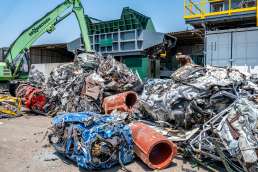
According to analyses of passenger vehicles, a modern car is composed on average of 75% metals, 15% plastics, and the remainder of glass, rubber, fluids and electronic components. Ferrous metals are efficiently separated through shredding and magnetic sorting, while the recovery of non-ferrous metals, such as copper, aluminium and brass, requires more complex refining and separation processes. However, not everything that remains after shredding can be put to immediate use. As a matter of fact, the treatment generates a light fraction called car fluff (or Automotive Shredder Residue – ASR), consisting of plastics, fibres, foams, rubber residues and small metal particles, which, due to its heterogeneous composition, is one of the main obstacles to reaching the recovery targets imposed by regulations.
In recent years, the evolution of technologies has made it possible to valorise this fraction as well, recovering additional quantities of metals and reducing the amount going to landfill. Solutions such as high-efficiency refining, densimetric and eddy-current separation, and even pyrolysis or energy recovery processes are transforming car fluff from complex waste to a complementary resource in the recycling process.
In parallel, the increase of electronic components and composite materials in modern cars makes it increasingly important to have processing systems capable of precisely handling mixed materials, cables, motors and technical plastics, ensuring selective separation and the maximum purity of the recovered metals.
The environmental and economic value of ELV recycling
Recycling a car is not just about reducing waste, but regenerating value and resources. Every tonne of recovered steel or aluminium saves large amounts of energy and reduces CO₂ emissions compared to production from virgin raw material, thus making a tangible contribution to a more sustainable industry. In Europe, around 90% of materials from end-of-life vehicles are nowadays reused or recycled, an achievement that testifies to technological progress and the increasing focus on the circular economy. In addition to its environmental benefits, the car recycling sector generates skilled employment, stimulates the search for new solutions, and fosters the creation of supply chains for metal recovery and the production of secondary raw materials, which are increasingly key to the competitiveness of the European industry.
From grinding to metal separation, technology plays a decisive role in making the treatment of end-of-life vehicles sustainable and profitable.
Industry trends and challenges
According to some estimates, the ELV recycling market was globally worth around $27.5 billion in 2023, with an expected growth of 6-7% per year until 2032. A dynamic and fast-moving sector, driven by three converging forces: technological evolution, energy transition and regulatory pressure. In this scenario, ELV recycling is no longer an end-of-supply chain activity, but an integral part of the industrial strategy of the automotive sector, now at the core of new trends and challenges that will define its future.
TRANSITION TO AN ELECTRIC VEHICLE FLEET
With more than 14 million electric vehicles registered in 2023, the sector faces new challenges related to the management of complex components such as high-voltage batteries, permanent magnets and critical materials such as lithium, cobalt and rare earths. These elements require targeted processes of securing, treatment and selective recovery, capable of combining sustainability and profitability.
AUTOMATION AND DIGITALISATION
The heart of innovation is increasingly moving towards smart process management in new-generation systems, advanced sensor technology, machine vision and real-time data analysis enable optimisation at every stage of treatment. The data-driven logic improves the quality of recovered metals and reduces error margins, paving the way for a more precise, efficient and measurable recycling model.
TOWARDS A ZERO WASTE LOGIC
The concept of zero waste is gradually replacing the linear view of recycling with a more circular concept, in which each vehicle component is recovered. This integrated approach requires increasingly close collaboration between system manufacturers, recycling operators and industries using secondary raw materials.
COPPER AND ALUMINIUM AT THE CORE OF THE TRANSITION
At the same time, global demand is growing for recycled aluminium and copper, central materials for electric mobility and sustainable industrial production. Europe, in particular, is aiming to become more autonomous in finding these resources, favouring investments and innovations that can make ELV recycling a strategic cornerstone of the circular industry.
Panizzolo solutions for the treatment of vehicle materials
In light of these dynamics, Panizzolo solutions offer a tangible contribution to the treatment and recovery of materials from end-of-life vehicles, combining high production performance, reduced management costs and ease of use.
The technologies embedded in our systems enable the acceleration of the metal recovery stages, guaranteeing flexibility in processing and the high quality of ferrous and non-ferrous metal output. The final recovery of ASR is completed through the refining end-of-waste, cycle process, fully compliant with environmental regulations and geared towards maximum economic yield, with an output suitable for direct sale to smelters. The treatment lines offer a productivity ranging from 7 to 35 tonnes/hour and can handle different types of materials, including end-of-life vehicles, car packs, car engines and ASR. Thanks to a modular design and established know-how, each system can be adapted to the operational needs of the customer, with a view to maximising recovery and investment. An approach that combines innovation, efficiency and sustainability, turning what was once waste into a valuable industrial resource.
Want to learn more about our solutions? Contact us to receive further information.
Energy efficiency: challenges and solutions in metal recycling
Energy efficiency: challenges and solutions in metal recycling
Today, energy efficiency is a primary driver for the recycling sector. In this article, we investigate how it can become a meeting point between environmental and economic sustainability.
Energy efficiency has become one of the key benchmarks in the assessment of plant performance. Not only because it does have a direct bearing on operating costs, but also because it reflects a company’s ability to adapt, innovate and compete. However, it is no longer just an environmental issue, but a core issue to ensure the economic sustainability of businesses. This is particularly true for the metal treatment and recycling industry, where energy consumption has a direct impact on profitability and competitiveness.
Today, businesses are required to tackle two parallel pressures. On the one hand, the energy cost, subject to strong fluctuations, significantly impacts operating margins. On the other hand, European and international environmental regulations are pushing for a tangible ecological transition, based on traceable processes, reduced emissions, and optimized consumption. Against this backdrop, energy efficiency is the most effective response to both challenges.
Energy-intensive plants vs. optimised plants
In the metal recycling sector, the difference between an energy-intensive plant and an optimised one does not only concern power consumption, but the entire production logic. Older systems tend to require consistently high power, regardless of the type of material being processed. This leads not only to significant energy waste, but also to greater wear and tear on mechanical components, rough control of operating parameters, and generally lower productivity.
On the contrary, a system designed according to efficiency criteria can adjust the absorbed power to the actual load, ensuring process stability and energy consumption proportionate to yield. The adoption of high efficiency motors, intelligent inverters, modular configurations and monitoring systems makes it possible for you to take action on the progress of the system in real time by optimizing each phase and reducing both operating costs and environmental impact.
In a direct comparison, the difference between the two models is reflected in numbers: with the same number of tons treated, an optimised plant can generate significant energy savings, increase hourly productivity and ensure more consistent, exploitable output. Choosing modern technologies does not just mean upgrading a machine but rethinking the production cycle with a view to greater overall efficiency.
Modular and flexible, Panizzolo plants ensure high-efficiency End-of-Waste treatments, reducing operating costs and generating sustainable long-term value.

The numbers of efficiency
Metal recycling is, in itself, a virtuous choice from an environmental point of view. However, it is energy efficiency that establishes its real impact. Some data help to understand the scope of this opportunity. When it comes to aluminium, for instance, recycling makes it possible to save up to 95% of energy compared to primary production. Producing one ton of aluminium from bauxite requires over 51,700 kWh, whereas just 2,300 kWh are required through recycling.
Even for steel, advantages are significant. The estimated energy savings compared to production from iron ore vary between 60% and 74%. On an environmental level, recycling one ton of steel prevents us from mining over one ton of iron ore, thus curbing air pollution by up to 86%, water pollution by 76%, and saving water by as much as 40% with respect to primary production.
Efficiency in economic terms
In addition to the obvious environmental benefits, energy efficiency is a pivotal element for the economic sustainability of businesses. Energy consumption is one of the main cost items in the daily management of a plant. As already highlighted, an obsolete machine consumes more, requires more maintenance and produces less efficiently, thereby adversely impacting overall margins.
Investing in efficient systems means reducing operating costs, increasing productivity per kilowatt hour consumed and improving return on investment. Furthermore, energy efficiency grants access to tenders and public funding, which are increasingly allocated to the benefit of ecological transition projects. In a scenario where ESG criteria become a discriminating element in purchasing decisions and supplier selection, efficiency also becomes a competitive advantage in business and reputation terms.
Technology, strategy and positioning
Choosing efficient technologies, therefore, is no longer just a technical or environmental issue – it is also a strategic decision. Companies that embrace modern solutions, capable of combining high performance and low energy impact, develop a strong positioning strategy in the most advanced markets. In international B2B relationships in particular, energy efficiency is key to being perceived as reliable, sustainable and innovation-oriented suppliers.
Cutting down on consumption means being more resilient against energy price increases and more flexible in production cycle management. Not only that. Also responding to the expectations of customers who are increasingly sensitive to the issue of sustainability and looking for partners who can support environmental and safety goals as well as reduce the carbon footprint.
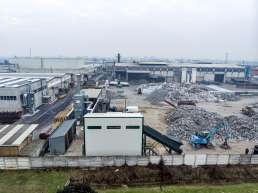
Panizzolo’s approach to energy efficiency
Truly achieving energy efficiency requires an integrated approach. It is not enough to take action on single process stages, but it is necessary to reappraise the entire plant based on technologies, materials treated and production targets.
It is along these lines that Panizzolo’s solutions fit in: a complete range of scrap grinding, sorting and refining plants, designed to maximize performance while minimizing consumption. Highly efficient components, intelligent software and real-time control systems enable to optimize every treatment stage, thereby ensuring operational continuity even with mixed or complex materials. Modular configurations also allow the system to be sized according to actual requirements without oversizing and waste. To complete the offer, a customised technical consultancy service supports the customer in the production cycle design and optimization, with a view to combining energy efficiency, environmental sustainability and economic return.
This approach enables us to transform efficiency into a tangible value by making each plant not only more efficient, but also more competitive, resilient and capable of generating long-term value.